Willard Bay Fishing Report: Walleye, Wiper & Perch Conditions
The August 11, 2026 Willard Bay snapshot covers open-water access, low water, the latest posted temperature, recent wiper stocking, and practical walleye and perch starting patterns.
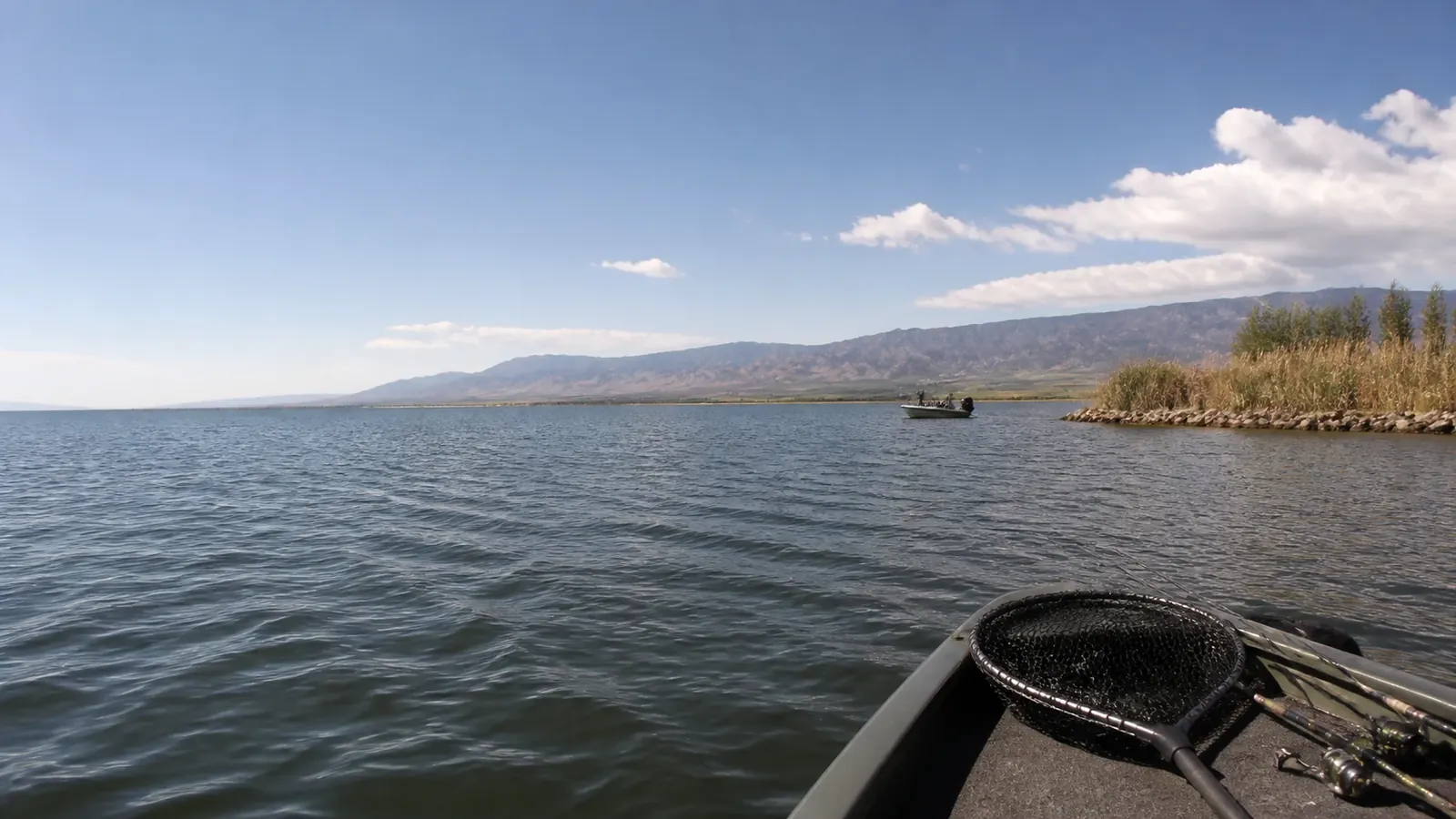
This Willard Bay report is a dated August 11, 2026 research snapshot. The official State Parks conditions page I checked was last updated July 27, so its 61 F temperature, 49% level, and ramp notes are the latest posted park details I found, not a live sensor feed. Recheck wind, algae notices, and ramp conditions before leaving.
Current Willard Bay signals
| Signal | Latest verified detail | Practical response | | --- | --- | --- | | Water | Open water; posted level 49% | Expect exposed structure and longer shoreline walks, but confirm the launch route. | | Posted temperature | 61 F on the park page | Start with active searches in low light or wind, then slow down. | | Wiper stocking | June 18: 2,612 at 9.98 inches; June 9: 219,200 at 0.3 inches | A mixed-size release means lure size and depth should be tested, not assumed. | | Access | North and South marinas open; launch at own risk | Low water and wind make a pre-launch check worthwhile. |
The Willard Bay State Parks conditions page reports open water and clear conditions at the state park, while also warning that the bay is low. The internal Willard Bay fishing guide is useful for species and access context; use it alongside the official page rather than as a replacement for today's conditions.
Wiper plan
Wiper are the strongest current stocking signal in the sources checked. Fish the windblown side first when the surface is active. A small minnow-profile plug, swimbait, or metal search lure is a sensible starting point; vary retrieve speed and count-down depth instead of assuming the fish are shallow. If the water is calm and bright, cover the first break, channel edge, or point with a slower presentation.
The June 9 entry contains very small fish, while the June 18 entry averages nearly 10 inches. That difference matters: match the lure to the fish you are trying to catch, and do not interpret a high count of tiny fish as evidence of an immediate harvest opportunity.
Walleye after dark and at low light
Walleye tactics are most useful around low light, wind, and a defined bottom transition. Start with a jig, blade bait, or minnow-shaped lure near a point, channel edge, or wind-pushed flat. Make controlled bottom contact without dragging through every snag. If the first pass is empty, change angle and depth before adding more weight.
This is a planning pattern, not a claim that a current guide or creel survey found walleye on one particular point. Willard's water level and wind can move the productive zone quickly.
Perch and shore-friendly options
For yellow perch, use a light rod and a small jig or baited hook where the current rules allow bait. Work near weed edges, rock, or a drop and keep the presentation close enough to the bottom to detect light taps. A long leader and oversized hook make small perch harder to land, so keep the terminal tackle compact.
Shore anglers should prioritize accessible edges near the active marina or a windward bank, then move after a fair test. Carry a second plan for wiper or catfish if perch are not showing. Wind can make Willard uncomfortable and can also be the feature that concentrates food.
Read the wind before choosing a species
Willard Bay is broad and exposed, so wind is both a safety variable and a fish-location variable. Before launching, look at the direction, gusts, and the protected route back to the ramp. A small craft should not be committed to open water just because the marina is open. From shore, a steady breeze that pushes food toward one bank can make that bank worth testing; a rapidly building crosswind can be a reason to leave instead.
Start with an observation pass. Look for bait activity, birds, surface dimples, current at a creek mouth, or a clean edge where wind meets calmer water. Wiper may reveal themselves by surface activity, while walleye are more likely to reward a controlled low-light search. Perch can be easier to confirm with repeated light taps near bottom. These clues help select a tactic, but they are not a substitute for a current angler report.
A practical shore rotation
Give each spot three short tests: one moving lure at two depths, one slower presentation close to bottom, and one angle that runs parallel to the bank. If none produces a sign, walk or drive to the next accessible edge. Keep the lure size modest because the DWR records include both small and nearly 10-inch wiper releases. A large baitfish imitation may be useful for a larger target, but it should not be the only size in the box.
For a full trip log, write down the exact access point, the park-page date you relied on, the water level impression, wind direction, and whether the water looked clear. That record makes the next Willard visit more useful and keeps an old report from being mistaken for a live one.
If the wind rises while you are fishing, make the conservative decision early. A report that says the marina is open does not make every cove or boat route comfortable. Secure gear, keep a shore fallback, and leave before the return trip becomes the hardest part of the day.
Limits, hazards, and boating
The current park page lists three wiper, six walleye with no more than one over 24 inches, 50 yellow perch, eight channel catfish, and six largemouth or smallmouth bass. Treat those as a quick check, then open the 2026 Utah fishing guidebook because the guidebook and posted signs govern.
The page also reports North and South marinas open but advises launching at your own risk. Check the DWR 2026 mussel-aware boating requirements before launching. Clean, drain, and dry every boat, trailer, and net between waters.
FAQ
What is the latest Willard Bay water temperature?
The latest posted State Parks page I verified lists 61 F, with the page last updated July 27, 2026. It is not a live reading, so use current electronics or a thermometer for the water in front of you.
Are wiper being stocked at Willard Bay?
Yes. The DWR rows checked show 2,612 wiper averaging 9.98 inches on June 18 and a much larger June 9 release averaging 0.3 inches. Those entries confirm stocking events, not a guaranteed current bite.
What is the Willard Bay walleye limit?
The current park summary lists six walleye, with no more than one over 24 inches. Confirm the current DWR guidebook and posted signs before keeping fish.

Get free email updates
Get Utah stocking updates, trip-planning links and gear notes by email. Email signup is separate from paid SMS/voice plans, app subscriptions and the Fishing Playbook PDF.
Unsubscribe from email updates at any time. Read our website privacy policy.
Related Articles
 Illustration
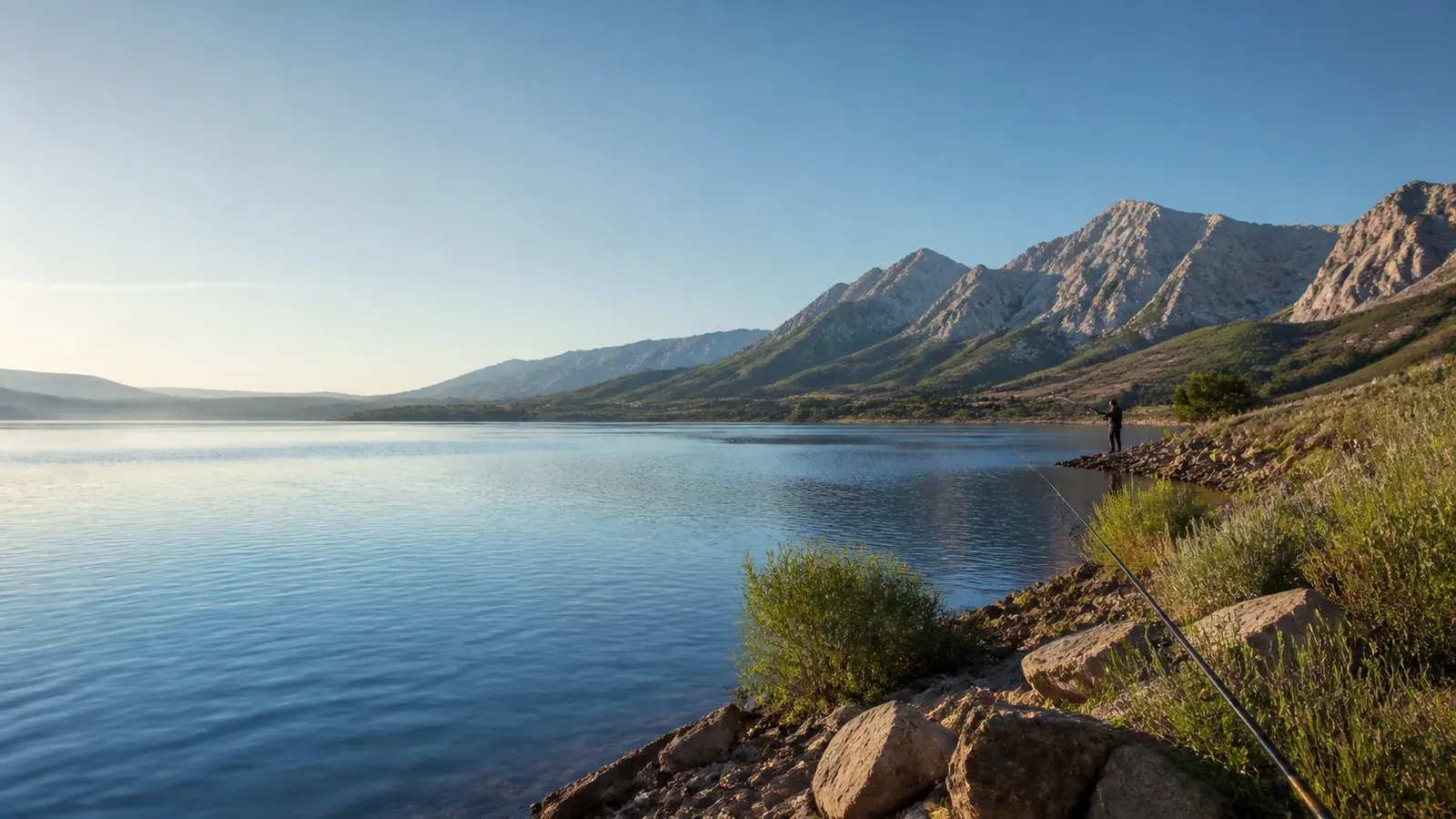
Jordanelle Reservoir Fishing Report: Current Conditions, Best Baits & Where Fish Are Biting
A dated Jordanelle snapshot for August 11, 2026: open water, a 70 F surface reading, ramp notes, recent DWR stocking records, and a practical trout plan for shore and boat anglers.
 Illustration
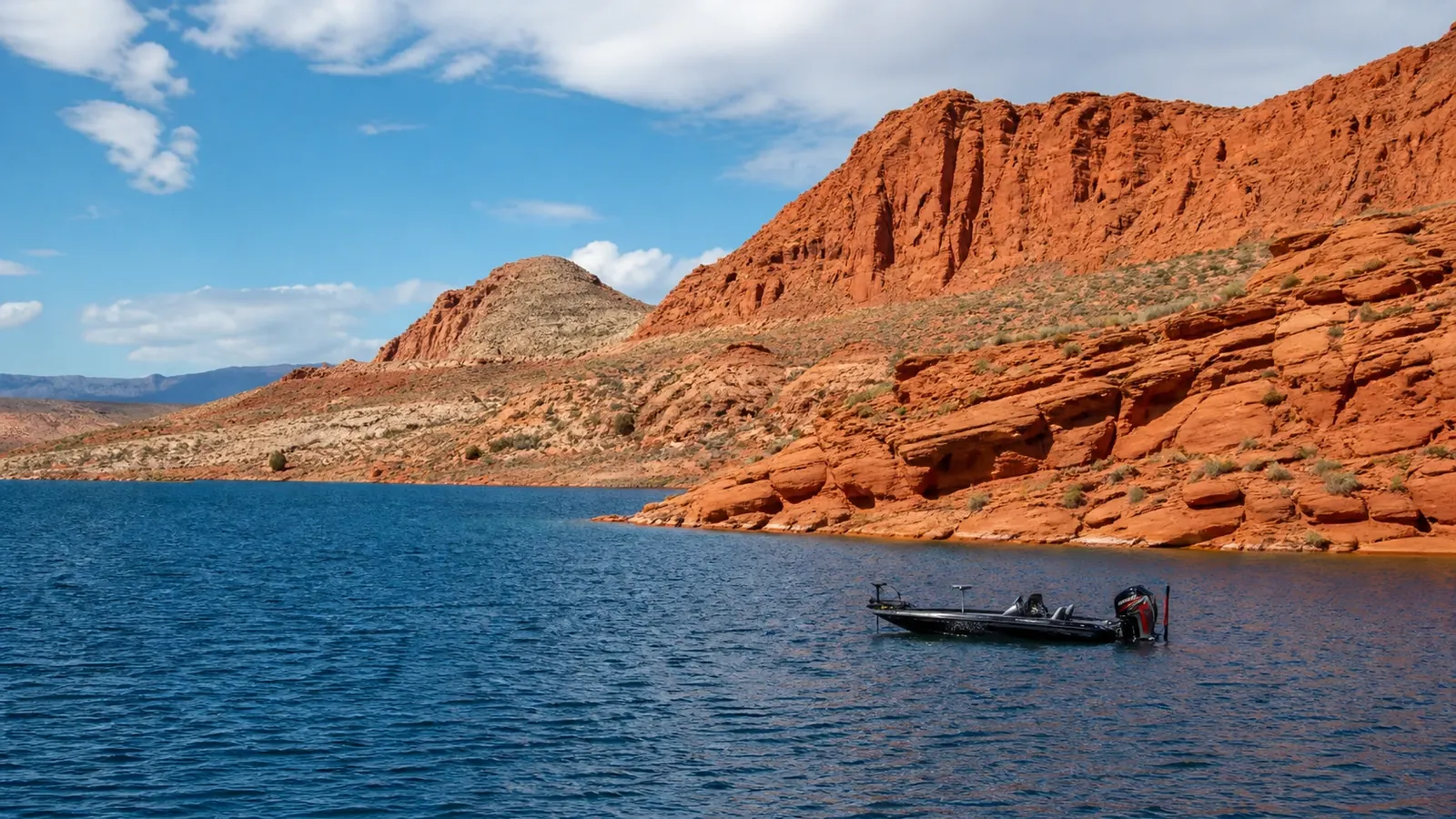
Sand Hollow Fishing Report: Bass Conditions, Water Temps & Best Lures
A current Sand Hollow bass report for August 11, 2026, with the latest ramp and water-level update, a practical temperature-based lure plan, and a clear stocking-data caveat.
 Illustration
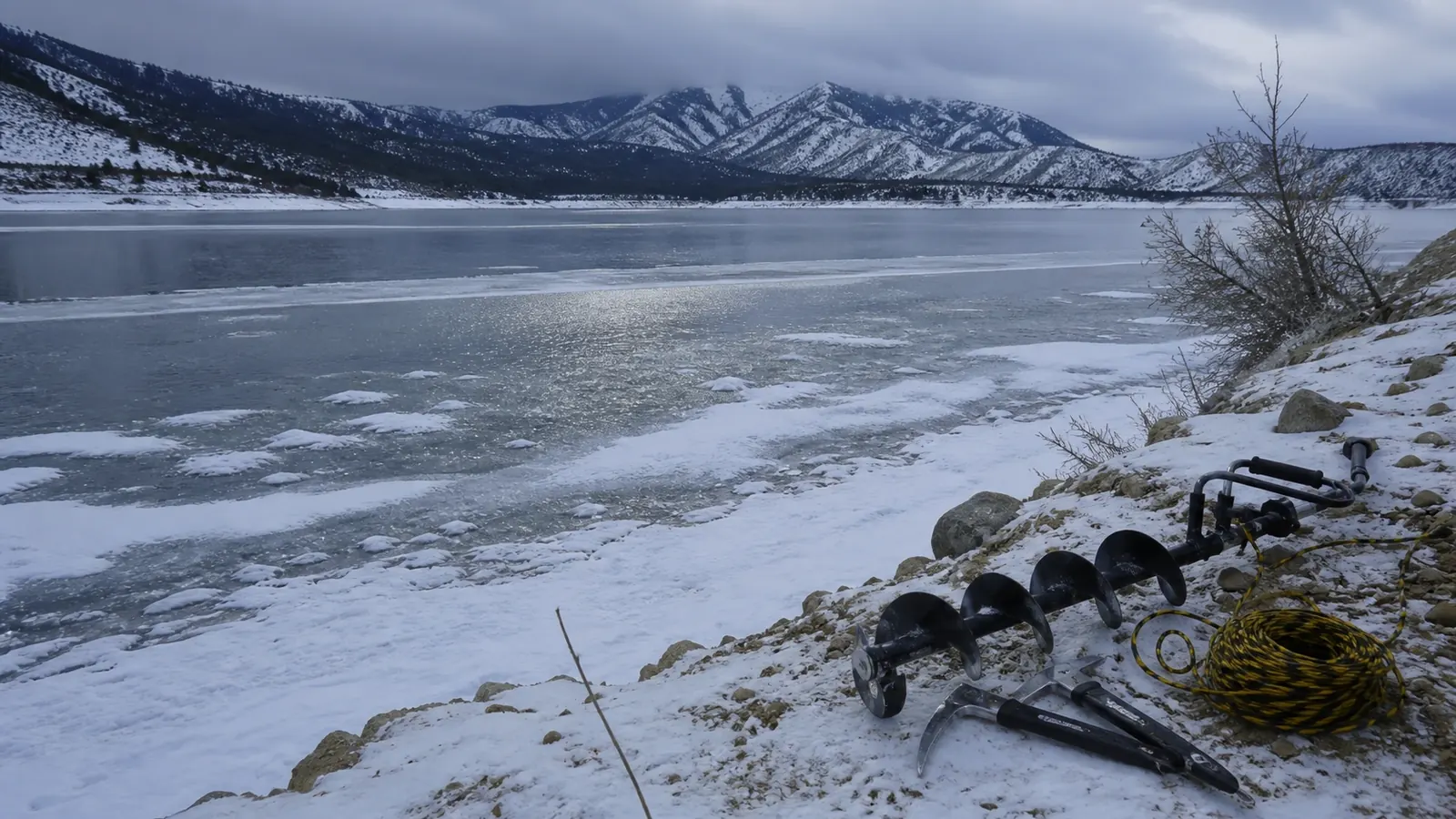
Utah Ice Fishing Report: Current Ice Conditions by Reservoir
A season-aware Utah ice report for August 11, 2026: current open-water status, what is not known about future ice, and a safety-first checklist for the next freeze.
More Utah Fishing Updates
Browse more regulation changes, local reports, and seasonal how-to guides.
Back to all articles