Utah Lake Carp Bowfishing: Complete Guide to Year-Round Action
Utah Lake offers some of the West's best carp bowfishing opportunities. Learn locations, techniques, equipment, and regulations for targeting these invasive giants.
Utah Lake Carp Bowfishing: Complete Guide to Year-Round Action
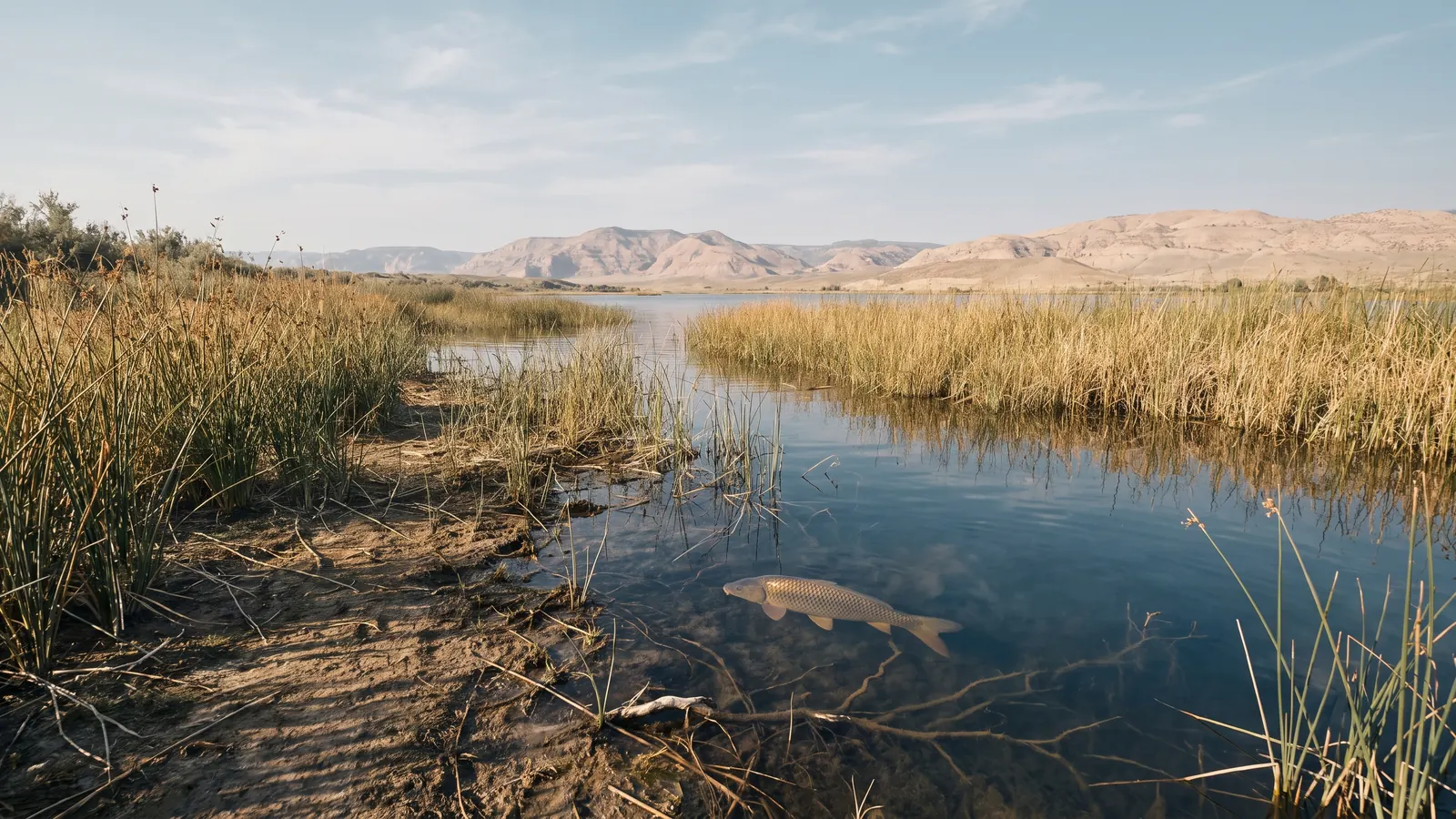
Utah Lake holds millions of common carp—invasive fish that compete with native species and degrade water quality. The good news? These prolific fish provide exceptional bowfishing opportunities year-round, with no bag limits and liberal regulations encouraging harvest.
Here's your complete guide to carp bowfishing on Utah's largest freshwater lake.
Why Carp Bowfishing Matters
Environmental Benefits
Invasive species control: Carp destroy native fish habitat Water quality: Carp muddy water through bottom feeding Ecosystem balance: Removing carp helps native species recover Vegetation protection: Carp uproot aquatic plants
Fishing Benefits
Year-round action: No closed seasons No bag limits: Keep all you shoot Abundant targets: Millions of carp in Utah Lake Skill development: Improves archery accuracy Family activity: Great for introducing kids to archery
Best Times and Conditions
Seasonal Patterns
Spring (March-May):
- Spawning aggregations in shallows
- Best numbers and largest fish
- Water temps 50-70°F trigger movement
- Peak activity: April-early May
Summer (June-August):
- Fish scattered but accessible
- Early morning/late evening best
- Hot days push fish deeper
- Night fishing productive
Fall (September-November):
- Fish feeding heavily before winter
- Consistent action in moderate depths
- Cooler water brings fish shallow
- Less crowded than spring
Winter (December-February):
- Slower but fishable
- Focus on deeper, warmer areas
- Midday action best
- Ice fishing access in some areas
Ideal Conditions
Water clarity: 2-4 feet visibility optimal Wind: Light winds best for sight fishing Sunlight: Bright, sunny conditions Water temperature: 50-75°F most active Barometric pressure: Stable high pressure
Prime Bowfishing Locations
1. Provo Bay Area
Why it's productive: Shallow, protected water with high carp density
Access points:
- Provo Boat Harbor
- Utah Lake State Park
- Multiple shore access points
Best areas:
- Shallow flats (2-6 feet deep)
- Creek mouths and inlets
- Protected bays and coves
Peak times: Early morning, late evening
2. Goshen Bay
Character: Large, shallow bay with excellent carp habitat
Access:
- Goshen area boat launches
- Good shore access
- Wading opportunities
Features:
- Extensive shallow flats
- Emergent vegetation edges
- Creek and canal inlets
Strategy: Wade fishing and boat fishing both productive
3. Benjamin/Saratoga Springs Area
Character: Developed shoreline with good access
Access:
- Multiple public access points
- Marina and launch facilities
- Shore fishing opportunities
Features:
- Shallow bays and inlets
- Rocky points and structures
- Urban fishing convenience
Benefits: Close to amenities, family-friendly
4. West Side Flats
Character: Vast shallow areas, less fishing pressure
Access:
- Requires longer boat rides
- Some remote shore access
- 4WD helpful for access
Features:
- Expansive shallow water
- Natural habitat
- Lower angler density
Considerations: Weather exposure, distance from launch
Equipment and Setup
Bowfishing Bows
Draw weight: 40-50 pounds minimum Bow types: Recurve or compound Features: Solid rest, no arrow shelf needed Brands: AMS, PSE, Bear Archery
Recommended setup:
- 45-55 pound draw weight
- Solid arrow rest
- Simple sight or instinctive shooting
- Bow fishing reel attached
Arrows and Points
Arrow types: Solid fiberglass or carbon Points: Barbed bowfishing points Safety slides: Prevent arrow loss Retrieval system: Line attached to reel
Popular choices:
- AMS Big Game points
- Muzzy bowfishing points
- Solid fiberglass arrows
- 200+ grain total weight
Reels and Line
Reel types: Spincast or retriever reels Line weight: 80-200 pound test Line type: Braided or twisted dacron Capacity: 100+ feet of line
Setup tips:
- Secure reel attachment to bow
- Use safety slides on arrows
- Check line condition regularly
- Practice retrieval technique
Additional Gear
Polarized sunglasses: Essential for sight fishing Sun protection: Hat, sunscreen, long sleeves Wading gear: Waders or quick-dry clothing Net or gaff: For securing shot fish Cooler: For keeping harvested fish
Shooting Techniques
Light Refraction
Water bends light: Fish appear higher than actual position Aim low: Shoot below where fish appears Depth factor: Deeper fish require more compensation Practice: Learn refraction adjustment through experience
Shot Placement
Target areas: Behind head, center mass Avoid: Spine shots, tail shots Quick follow-up: Be ready for second shot Fish behavior: Wounded fish often go to bottom
Range Considerations
Optimal range: 10-20 feet Maximum effective: 30 feet in clear water Closer is better: Higher accuracy, better penetration Stalking approach: Get as close as possible
Boat vs. Shore Strategies
Boat Fishing Advantages
Mobility: Access more water Positioning: Optimal shooting angles Deeper water: Target fish in 4-8 feet Equipment storage: More gear capacity
Boat setup:
- Elevated shooting platform
- Quiet trolling motor
- Polarized windshield
- Secure equipment storage
Shore and Wading Benefits
Stealth: Quieter approach Stability: Solid shooting platform Cost: No boat expenses Accessibility: More locations available
Wading strategy:
- Move slowly and quietly
- Wade into position
- Use sun angle advantage
- Focus on shallow areas
Carp Behavior and Identification
Common Carp Identification
Size: 5-30+ pounds common Color: Golden-bronze to dark brown Features: Barbels near mouth, large scales Behavior: Bottom feeding, often "tailing"
Feeding Behavior
Bottom feeding: Head-down, tail-up posture Mudding: Stirring up bottom sediment Cruising: Swimming along bottom or mid-water Spawning: Shallow water thrashing (spring)
Best Targeting Opportunities
Tailing fish: Easy shots on distracted fish Cruising fish: Predictable movement patterns Spawning aggregations: Multiple targets (spring) Feeding areas: Concentrated fish activity
Processing and Utilization
Field Care
Immediate processing: Remove from water quickly Keep cool: Ice or cool water storage Clean processing: Remove mud and debris Proper handling: Use gloves, avoid injuries
Processing Options
Fertilizer: Compost or garden fertilizer Pet food: Some commercial processors accept carp Smoking: Traditional preparation method Asian markets: Some buyers for live or fresh carp
Disposal Considerations
Legal disposal: Check local regulations Environmental responsibility: Don't waste resource Processing facilities: Some areas have carp processors Composting: Proper decomposition methods
Regulations and Ethics
Utah Regulations (2025)
No fishing license required: For carp bowfishing No bag limits: Unlimited harvest encouraged No closed seasons: Year-round fishing allowed Legal methods: Bow and arrow only for bowfishing
Safety Regulations
Hunter safety: Some areas require certification Boat safety: Follow boating regulations Shooting zones: Safe shooting areas only Equipment standards: Legal bow specifications
Ethical Practices
Harvest all shot fish: Don't waste wounded fish Respect other anglers: Share water courteously Property rights: Use public access only Environmental care: Leave areas clean
Safety Considerations
Water Safety
Life jackets: Required by law in boats Weather awareness: Utah Lake weather changes quickly Swimming ability: Know your limitations Emergency preparedness: Communication and first aid
Equipment Safety
Sharp points: Handle arrows carefully Bow safety: Follow archery safety rules Line management: Prevent tangles and injuries Eye protection: Polarized glasses protect eyes
Medical Considerations
First aid kit: Basic wound care supplies Tetanus vaccination: Up-to-date immunization Infection prevention: Clean wounds immediately Emergency contacts: Know nearest medical facilities
Getting Started Tips
Beginner Recommendations
Start simple: Basic bow and arrow setup Practice first: Land-based target practice Go with experienced: Learn from others Start close: Shore fishing for first attempts
Skill Development
Target practice: Stationary and moving targets Distance judgment: Learn range estimation Refraction compensation: Practice shooting underwater targets Fish identification: Learn to spot carp quickly
Common Mistakes
Shooting too high: Not compensating for refraction Poor shot placement: Aim for vital areas Inadequate equipment: Use proper bowfishing gear Impatience: Wait for good shot opportunities
The Bottom Line
Utah Lake carp bowfishing offers:
- Environmental benefit: Helping control invasive species
- Year-round action: No closed seasons or bag limits
- Skill development: Improves archery and fishing abilities
- Family activity: Great introduction to archery sports
- Accessible opportunity: Multiple access points and methods
Whether you're an experienced bowhunter looking for off-season practice or an angler wanting to try something new, Utah Lake's carp provide excellent opportunities to help the ecosystem while having fun.
Ready to try carp bowfishing? Share your experiences and questions in the comments below.
Get free email updates
Get Utah stocking updates, trip-planning links and gear notes by email. Email signup is separate from paid SMS/voice plans, app subscriptions and the Fishing Playbook PDF.
Unsubscribe from email updates at any time. Read our website privacy policy.
Related Articles
 Illustration
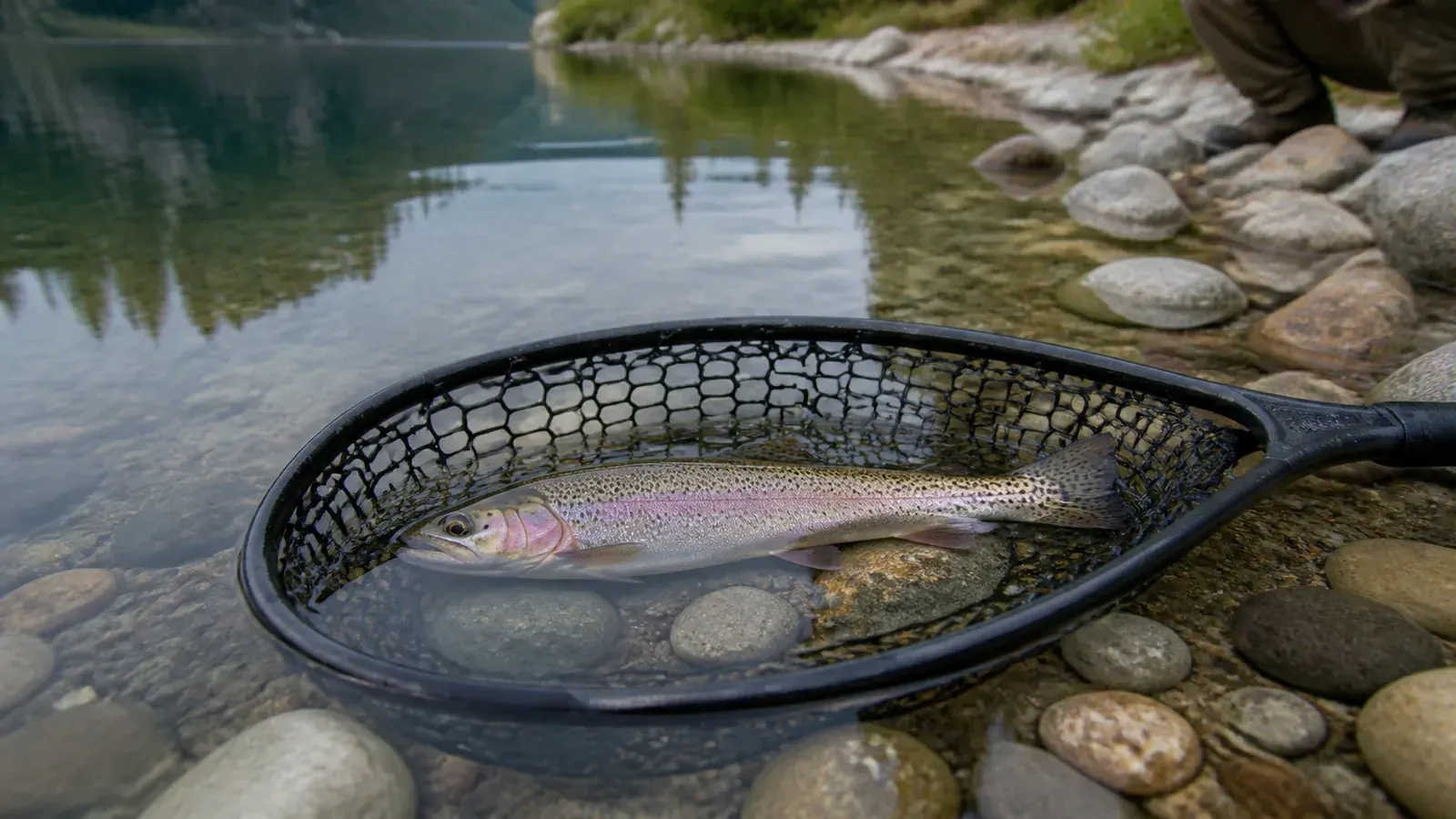
How to Catch Recently Stocked Rainbow Trout From Shore
A simple shore-fishing plan for newly stocked rainbow trout, including where to cast, what to rig, when to move, and how stocking size changes expectations.
 Illustration
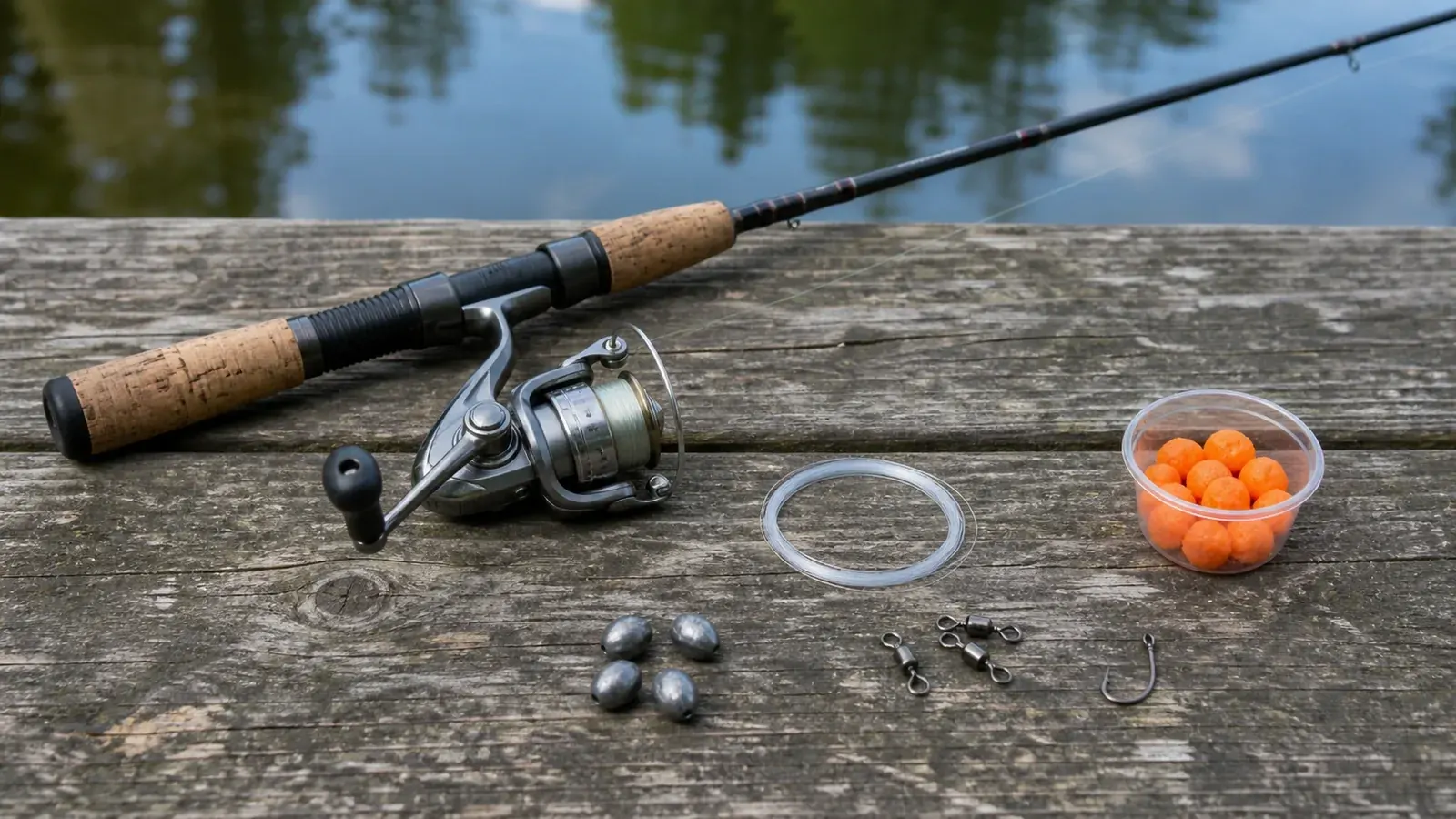
PowerBait Rig for Stocked Trout: Hook, Leader, Weight, and Depth
The exact sliding-sinker PowerBait setup for stocked trout, with hook size, leader length, casting depth, bite detection, and fixes for common problems.
 Illustration
How to Fish an Inline Spinner for Utah Trout
A repeatable inline-spinner system for Utah trout: lure size, line, casting angles, retrieve speed, depth control, and strike-triggering pauses.
More Utah Fishing Updates
Browse more regulation changes, local reports, and seasonal how-to guides.
Back to all articles