Lost Creek Reservoir Fishing Report: Current Conditions, Trout & Best Techniques
A dated Morgan County Lost Creek Reservoir report for August 11, 2026, with the latest park level and temperature, recent trout-family stocking, construction access notes, and techniques for warm summer water.
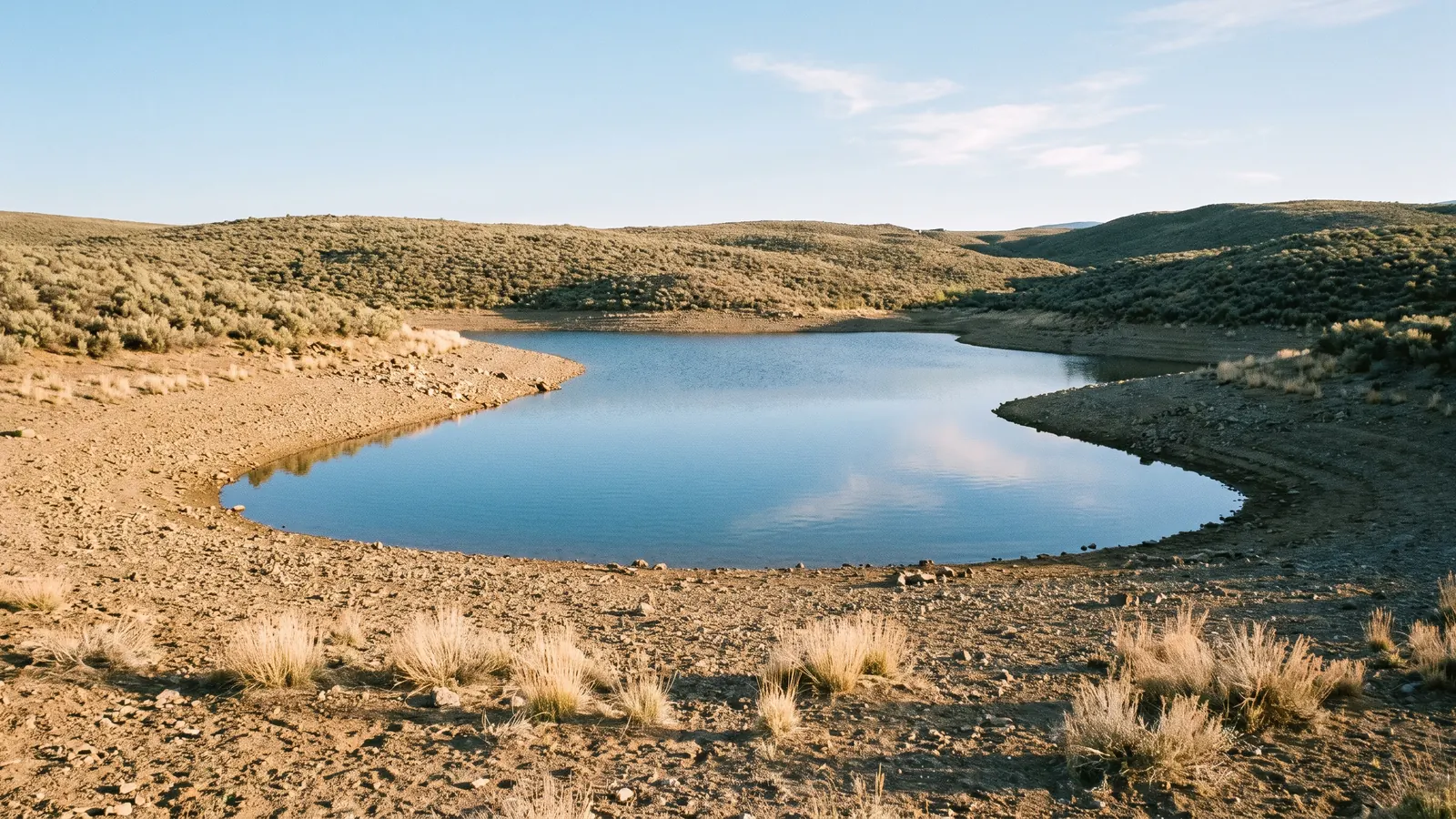
This report is for Lost Creek Reservoir at Lost Creek State Park in Morgan County. The DWR table also contains a separate Lost Creek entry in Sevier County, so verify the county every time you check a new stocking row. I checked the official State Parks page and DWR table on August 11, 2026; the latest park update is dated July 23.
Current Lost Creek snapshot
| Signal | Latest verified detail | Practical response | | --- | --- | --- | | Water | Open water; 43% level; 73 F posted temperature | Expect a summer pattern and look for cooler depth or low-light activity. | | Park fishing report | Moderate | Plan to move and test depth rather than expect a nonstop bite. | | Launch | Main ramp open; wedge dock removed | Confirm trailer and shoreline conditions before backing down. | | DWR stocking | June 24: 3,527 splake at 2.71 inches | A small-fish release is not the same as a current catchable-fish report. | | Recent catchable trout | May 19: 427 rainbow at 11.73 inches | Light trout tackle remains a reasonable starting option. |
The Lost Creek current conditions page reports construction-related closures, including the Little Trail Creek area below the dam and intermittent Deer Hollow restrictions. The area information page describes the reservoir as wakeless, which is useful context for a quiet trolling or shore trip.
Tactics for 73 F water
Start early, late, or under cloud and wind. If trout are the target, use a small spinner, spoon, fly, or other legal presentation and cover the first deeper transition rather than spending the entire morning in inches of water. From shore, cast across a point or along a drop and keep track of the depth where you get follows or taps.
If you use a bait rig, confirm the current rule in the Utah fishing guidebook before tying it on. A sliding sinker, small hook, and modest bait profile is easier to control than a large presentation. Keep trout wet and release quickly when water is warm.
Boat anglers can use the reservoir's wakeless character to slow down. Troll a small trout lure along a depth contour, make a note of the line length and depth, and repeat only if the pattern produces. A fish finder can make the 73 F surface reading more useful by showing whether the bait or lure is running above a cooler layer.
Troubleshoot a slow summer bite
If the first presentation gets no response, work through the variables in order. First change depth. Second change the shoreline angle or move to a point. Third change speed. Only then change lure color or species. This sequence is especially useful at a 43% reservoir level, where familiar banks can look different and exposed structure can create new casting lanes.
A 73 F posted temperature also changes fish-handling priorities. Do not keep a trout out of the water while changing camera angles or measuring it. Wet your hands, support the fish, remove the hook quickly, and let it swim away under control. If a fish is deeply hooked or too stressed to release, follow the current harvest and handling rules rather than making a long fight worse.
Pack a backup plan for the construction notices. Bring footwear for uneven shoreline, a small net, forceps, and enough water for a warm day. If the parking area or a familiar Deer Hollow route is closed, do not improvise through a signed work zone. A moderate official fishing rating is a prompt to fish efficiently and respectfully, not a reason to ignore access restrictions.
Let the water tell you when to move
At a lower level, the most obvious bank may no longer be the most productive one. Look for a point that drops into darker water, a creek influence, or a wind line that creates movement. Fish the feature from two angles and at two depths. If the only contact comes on the first or last hour of light, protect that window instead of trying to recreate it at midday.
The stocking table includes several species, but you do not need a different rig for every row. A compact lure, a light leader, and a legal bottom presentation cover the most useful trout possibilities. Keep notes on the fish's size and condition, especially when the target is a recent release. That information helps the next report distinguish a young splake record from a catchable rainbow opportunity.
When the water is crowded, work the edges that other users leave open and keep your casts controlled. If a fish is deeply hooked, follow the current harvest and handling rules instead of forcing a release that will not survive. The moderate rating is a reason to be precise, patient, and respectful of construction limits.
What the stocking records say
The Morgan County rows include April kokanee, April cutthroat, May tiger trout, multiple May rainbow releases, and the June 24 splake entry. The latest record is not automatically the most useful record: 3,527 splake at 2.71 inches describes a young release, while the May 19 rainbow at 11.73 inches is more relevant to immediate catchable-trout tactics. Check the DWR stocking database for a newer row and confirm the county.
The separate Sevier County row found in the current table should not be used for this Morgan County trip. That distinction is especially important when a search result truncates the water name.
Access and construction
The park's latest update says the main ramp is open, but the wedge dock has been removed because of water level. Construction and intermittent area closures can change where you can park, walk, or fish. Check the park page on the day of travel and obey the closure signs rather than treating an older map or blog as the access authority.
For related planning, see the internal Lost Creek Reservoir guide, the trout stocking report, and the rainbow trout guide.
FAQ
Which Lost Creek Reservoir does this article cover?
It covers Lost Creek State Park in Morgan County. The DWR table also contains a separate Sevier County Lost Creek entry, which should not be mixed into this report.
What is the latest Lost Creek water temperature?
The latest State Parks update I verified, dated July 23, lists 73 F. Use your own reading for the water you are fishing because temperatures can vary by depth and date.
Is the Lost Creek launch open?
The latest park update reports the main ramp open, but the wedge dock was removed and construction closures remain. Check the park page before travel.

Get free email updates
Get Utah stocking updates, trip-planning links and gear notes by email. Email signup is separate from paid SMS/voice plans, app subscriptions and the Fishing Playbook PDF.
Unsubscribe from email updates at any time. Read our website privacy policy.
Related Articles
 Illustration
Jordanelle Reservoir Fishing Report: Current Conditions, Best Baits & Where Fish Are Biting
A dated Jordanelle snapshot for August 11, 2026: open water, a 70 F surface reading, ramp notes, recent DWR stocking records, and a practical trout plan for shore and boat anglers.
 Illustration
Willard Bay Fishing Report: Walleye, Wiper & Perch Conditions
The August 11, 2026 Willard Bay snapshot covers open-water access, low water, the latest posted temperature, recent wiper stocking, and practical walleye and perch starting patterns.
 Illustration
Sand Hollow Fishing Report: Bass Conditions, Water Temps & Best Lures
A current Sand Hollow bass report for August 11, 2026, with the latest ramp and water-level update, a practical temperature-based lure plan, and a clear stocking-data caveat.
More Utah Fishing Updates
Browse more regulation changes, local reports, and seasonal how-to guides.
Back to all articles