Utah Tiger Muskie Fishing: Complete Guide to Landing 40+ Inch Apex Predators
Utah's tiger muskie offer some of the West's most exciting freshwater fishing. Learn locations, techniques, and tactics for targeting these aggressive hybrids.
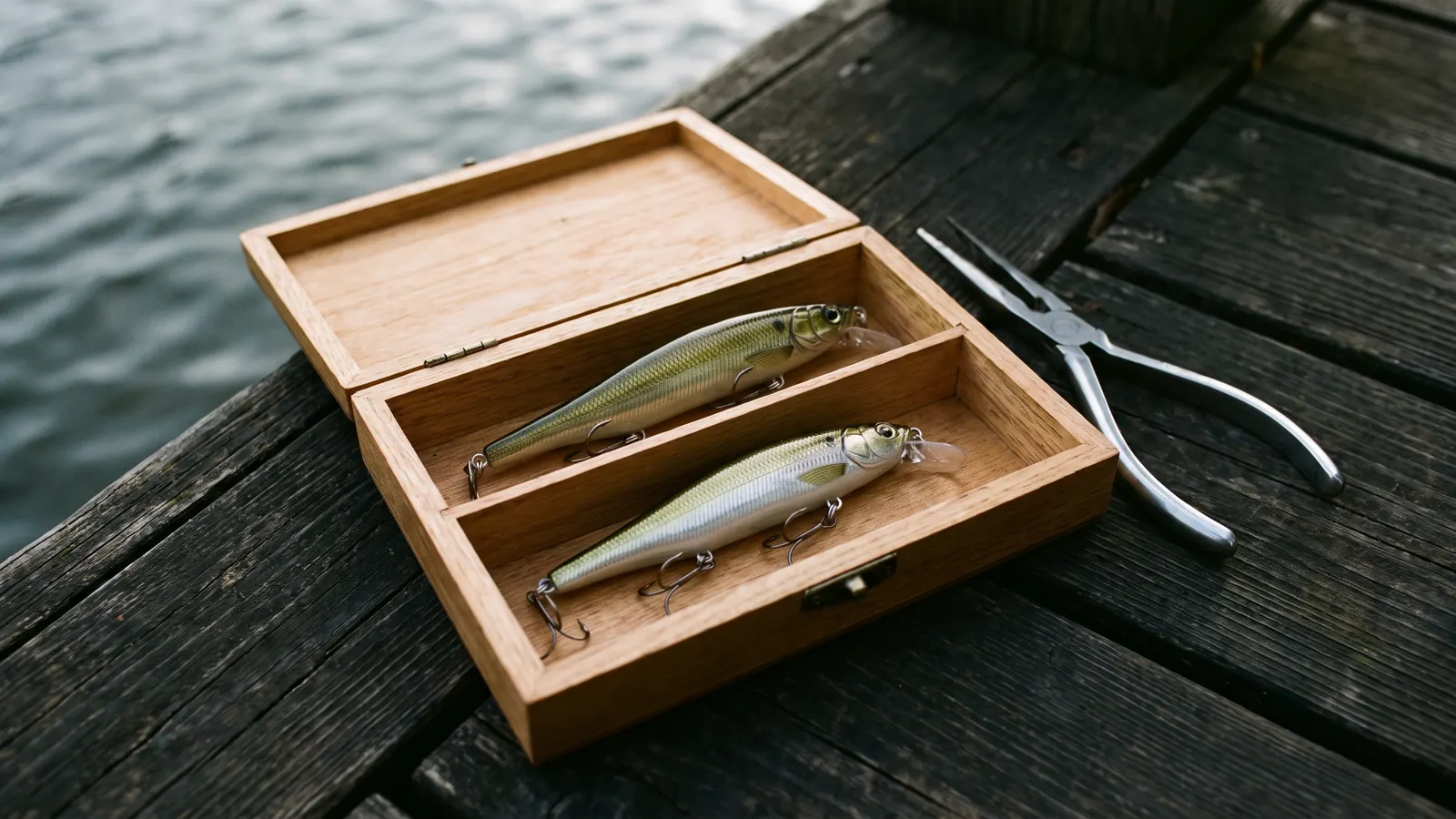
Utah Tiger Muskie Fishing: Complete Guide to Landing 40+ Inch Apex Predators
Tiger muskie represent the pinnacle of freshwater predator fishing in Utah. These aggressive hybrids between northern pike and muskellunge can exceed 40 inches and provide heart-stopping strikes that test both equipment and angler skills.
Here's your complete guide to successfully targeting Utah's apex freshwater predators.
What Makes Tiger Muskie Special
Hybrid Vigor
Genetic advantages: Best traits of both parent species Growth rate: Faster growth than pure muskellunge Aggression: More aggressive than pure muskie Hardiness: Better survival in varied conditions Sterility: Cannot reproduce, so all energy goes to growth
Size Potential
Utah records: 40+ inches, 20+ pounds documented Average size: 30-36 inches common Growth rate: 4-6 inches per year when young Lifespan: 15+ years possible Trophy potential: 40+ inch fish realistic goal
Fighting Ability
Explosive strikes: Violent surface attacks Aerial displays: Spectacular jumps and headshakes Endurance: Long, powerful runs Unpredictability: Never know what they'll do next
Prime Tiger Muskie Waters
1. Pineview Reservoir
Why it's #1: Utah's premier tiger muskie fishery
Location: Near Ogden, easily accessible Size: 2,874 acres, varied habitat Structure: Points, coves, submerged timber Access: Multiple boat launches and shore access
Best areas:
- North arm shallow bays
- Dam area drop-offs
- Rocky points and ledges
- Submerged timber fields
Peak seasons: Spring and fall Average size: 28-36 inches
2. Newton Reservoir
Character: Smaller water, concentrated fish
Location: Northern Utah, Cache County Size: 200 acres, intimate setting Structure: Shallow bays, deeper middle Access: Good boat launch, shore fishing
Advantages:
- Less pressure than Pineview
- Consistent fish population
- Good for beginners
- Shore fishing opportunities
3. Mantua Reservoir
Character: Small mountain reservoir
Location: Box Elder County Size: 550 acres when full Structure: Shallow areas, creek channels Access: Boat launch, shore access
Features:
- Scenic mountain setting
- Good size fish
- Less crowded
- Family-friendly
4. Hyrum Reservoir
Character: Consistent producer
Location: Cache Valley Size: 450 acres Structure: Varied depth, good cover Access: State park facilities
Benefits:
- Regular stocking program
- Good facilities
- Consistent action
- Multiple fishing methods work
Seasonal Patterns
Spring (March-May)
Peak activity: Post-spawn feeding frenzy Water temps: 50-65°F trigger feeding Best areas: Shallow bays, creek mouths Prime times: Late afternoon, evening Weather: Stable high pressure periods
Spring tactics:
- Target shallow, warming areas
- Use medium-speed retrieves
- Focus on structure transitions
- Be ready for aggressive strikes
Summer (June-August)
Behavior: Move to deeper, cooler water Water temps: 65-75°F, seek thermocline Best areas: Deep points, drop-offs Prime times: Early morning, late evening Challenge: Fish are less active
Summer tactics:
- Fish deeper structure
- Slow down presentations
- Target shaded areas
- Night fishing productive
Fall (September-November)
Peak season: Pre-winter feeding Water temps: 55-65°F, optimal activity Best areas: Follows baitfish movements Prime times: All day fishing possible Weather: Cooling trends trigger feeding
Fall tactics:
- Cover lots of water
- Vary retrieve speeds
- Target baitfish schools
- Be prepared for big fish
Winter (December-February)
Activity: Slow but catchable Water temps: 35-45°F, lethargic fish Best areas: Deeper basins Prime times: Midday warming Technique: Slow, methodical fishing
Winter tactics:
- Ultra-slow presentations
- Work deeper water
- Patience required
- Downsize lure size
Lures and Presentations
Top Tiger Muskie Lures
Large spoons:
- Dardevle spoons (4-6 inches)
- Johnson Silver Minnow
- Kastmaster heavies
- Red/white and five-of-diamonds patterns
Spinnerbaits:
- 1/2 to 1 oz heads
- Large Colorado blades
- White, chartreuse, black colors
- Trailer hooks recommended
Jerkbaits:
- Suick Thriller
- Bobbie Bait
- Large Rapala X-Raps
- Glider-style baits
Soft plastics:
- Large swimbaits (6-10 inches)
- Paddle tail grubs
- Tube jigs (6+ inches)
- Realistic baitfish imitations
Presentation Techniques
Figure-8 Technique
Essential skill: Must master for muskie fishing When to use: End of every retrieve Technique: Large figure-8 pattern at boat Rod position: Tip in water, follow through Success rate: Many fish caught at boat-side
Trolling Strategies
Coverage: Locate active fish efficiently Speed: 3-5 mph typical Depth: Follow depth contours Lures: Large spoons, deep-diving plugs Pattern: S-curves and contour following
Casting and Retrieving
Retrieve speed: Variable, experiment Rod action: Sharp, erratic movements Pauses: Stop-and-go effective Direction changes: Trigger strikes Follow-through: Always finish with figure-8
Equipment and Tackle
Rod Selection
Action: Fast to extra-fast Power: Heavy to extra-heavy Length: 7-8 feet optimal Material: Graphite for sensitivity Guides: Large guides for heavy line
Recommended specs:
- 7'6" heavy action casting rod
- Fast taper for hook sets
- Comfortable grip for long casts
- Quality reel seat
Reel Requirements
Type: Baitcasting for accuracy Gear ratio: 6:1 to 7:1 range Line capacity: 200+ yards Drag system: Smooth, powerful Construction: Durable, corrosion resistant
Line and Leaders
Main line: 50-65 lb braided line Leader: 80-100 lb fluorocarbon or steel Length: 12-18 inch leaders Connections: Quality swivels and snaps Backup: Always carry extra leaders
Essential Accessories
Landing net: Large, muskie-specific Pliers: Long-nose, heavy duty Hook cutters: For deeply hooked fish Camera: Document catches quickly First aid: Basic wound care supplies
Hooking and Landing
The Strike
Expect violence: Explosive surface strikes Don't set immediately: Let fish turn down Count to three: "God save the Queen" method Set hard: Drive hooks through bony jaw Keep pressure: Maintain constant tension
Fighting Strategies
Pump and wind: Don't just reel Side pressure: Turn fish's head Stay calm: Don't rush the fight Tire the fish: Work it to submission Watch for jumps: Keep line tight
Landing Techniques
Use landing net: Essential for large fish Support the fish: Cradle properly Quick photos: Minimize air exposure Release quickly: Revive if necessary Handle carefully: Avoid gill and eye damage
Safety and Regulations
Tiger Muskie Regulations (2025)
Daily limit: Check current Utah regulations Size restrictions: Varies by water body License required: Valid Utah fishing license Special rules: Some waters have specific regulations
Safety Considerations
Sharp teeth: Handle with extreme care Powerful fish: Can cause injury Boat safety: Secure all loose items Weather awareness: Conditions change quickly Emergency plan: Cell coverage, first aid
Catch and Release Ethics
Proper handling: Support fish weight Quick release: Minimize air exposure Photo tips: Have camera ready Revival: Support until fish swims away Conservation: Preserve the fishery
Advanced Techniques
Reading Water
Structure identification: Points, drop-offs, cover Baitfish location: Find prey, find predators Temperature breaks: Thermocline locations Weather patterns: Barometric pressure effects Seasonal movements: Follow the food
Equipment Modifications
Trailer hooks: Increase hook-up ratio Hook sharpening: Essential for penetration Lure tuning: Adjust action and running depth Line choice: Match conditions to line type Rod upgrades: Invest in quality equipment
Mental Game
Patience required: 10,000 casts per fish saying Persistence: Keep fishing when it's tough Confidence: Fish like you expect a strike Learning: Study the water and fish behavior Enjoyment: Remember why you're there
Seasonal Planning
Best Times for Big Fish
Fall feeding: September-October prime Spring spawn: March-April opportunities Weather patterns: Stable conditions best Moon phases: New and full moon periods Time of day: Dawn and dusk typically best
Trip Planning
Water conditions: Check levels and clarity Weather forecast: Plan around conditions Equipment check: Ensure all gear ready Backup plans: Alternative waters and techniques Realistic expectations: Enjoy the experience
Conservation and Future
Stocking Programs
Utah DWR: Manages stocking schedules Hatchery production: Limited numbers available Growth monitoring: Track fish development Habitat improvement: Enhance fish habitat Angler input: Feedback helps management
Habitat Protection
Water quality: Critical for fish health Spawning areas: Protect critical habitat Invasive species: Help prevent introductions Clean fishing: Pack out all trash Education: Share knowledge responsibly
The Bottom Line
Utah tiger muskie fishing offers:
- Trophy potential: 40+ inch fish possible
- Explosive action: Heart-stopping strikes
- Technical challenge: Requires skill and persistence
- Scenic waters: Beautiful mountain settings
- Conservation value: Apex predator management
Success requires proper equipment, patience, and persistence. But when you connect with one of these apex predators, you'll understand why muskie fishing is called "the fish of 10,000 casts."
Have you battled Utah's tiger muskie? Share your techniques and trophy stories in the comments below.

Get free email updates
Get Utah stocking updates, trip-planning links and gear notes by email. Email signup is separate from paid SMS/voice plans, app subscriptions and the Fishing Playbook PDF.
Unsubscribe from email updates at any time. Read our website privacy policy.
Related Articles
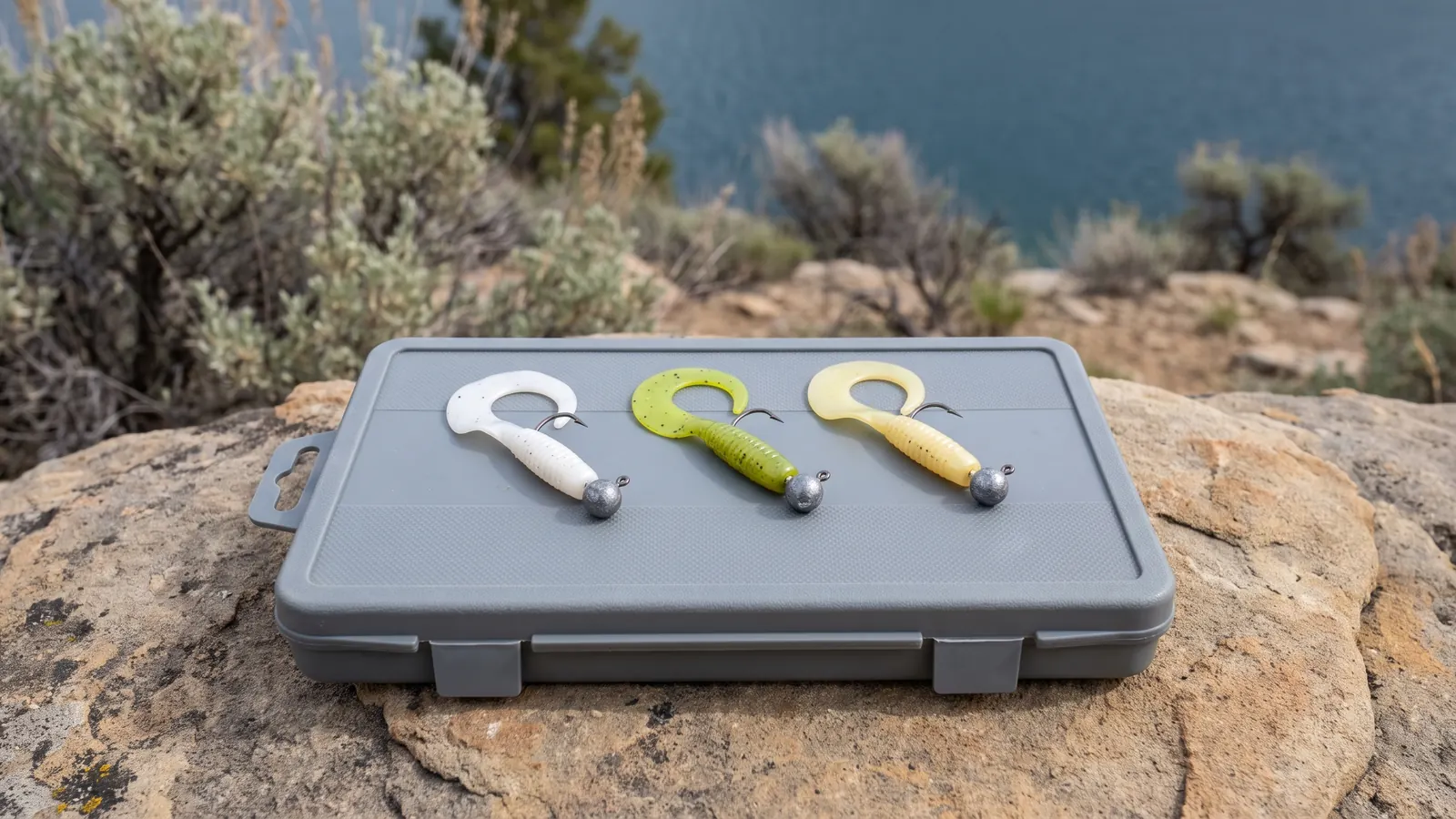 Illustration
Utah Lake White Bass Run (2026): When, Where & No-Limit Rules
Nobody told you white bass season was on? Here is the simple Utah Lake shore playbook: bright curly tails, light bites, fast hooksets, and no boat required.
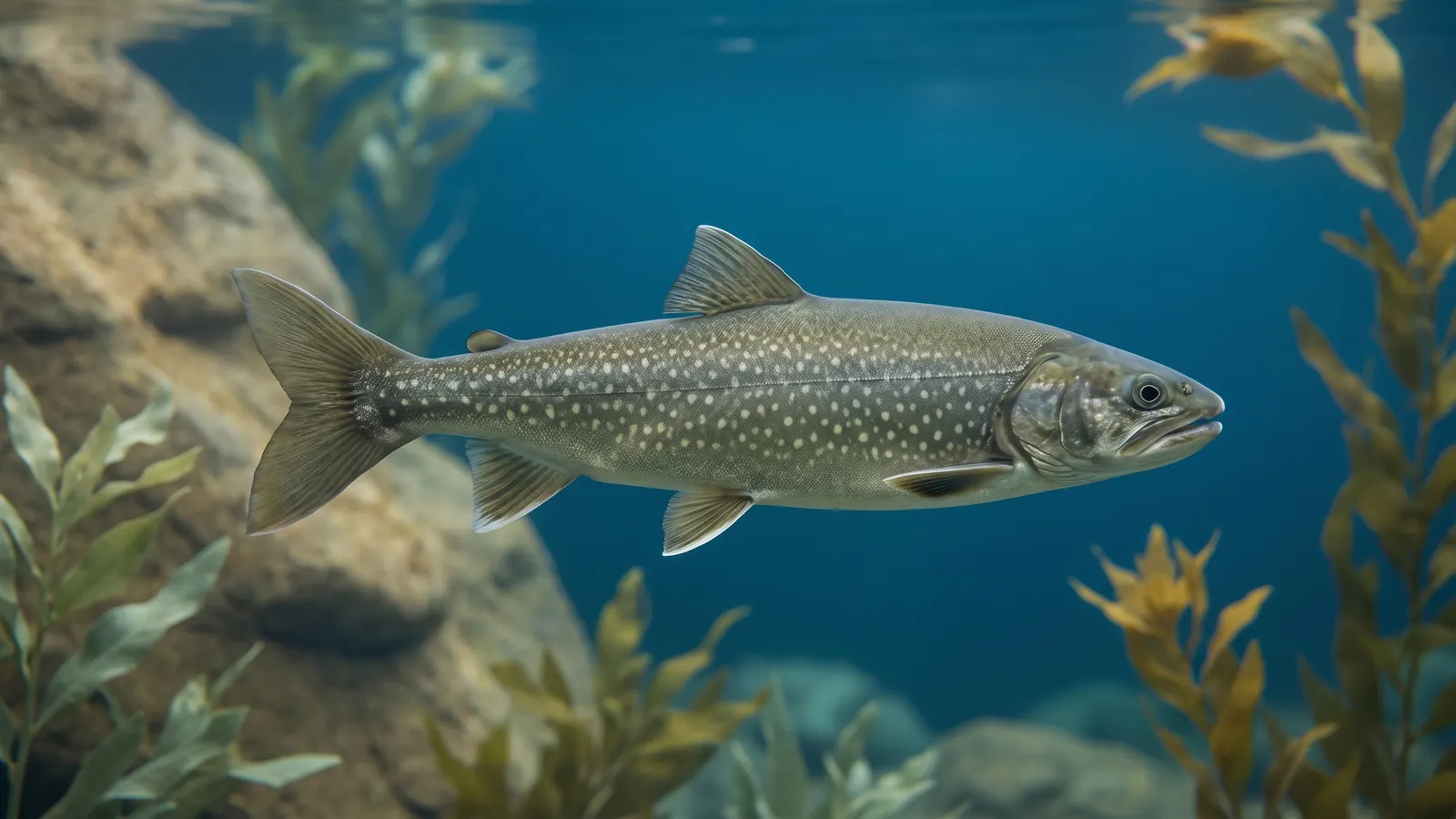 Illustration
Bear Lake Monster Lake Trout: Deep Water Tactics for 30+ Pound Giants
Bear Lake's deep, cold waters hold Utah's largest lake trout. Here's how to target trophy macs using downriggers, deep jigging, and seasonal patterns.
More Utah Fishing Updates
Browse more regulation changes, local reports, and seasonal how-to guides.
Back to all articles