Bear Lake Monster Lake Trout: Deep Water Tactics for 30+ Pound Giants
Bear Lake's deep, cold waters hold Utah's largest lake trout. Here's how to target trophy macs using downriggers, deep jigging, and seasonal patterns.
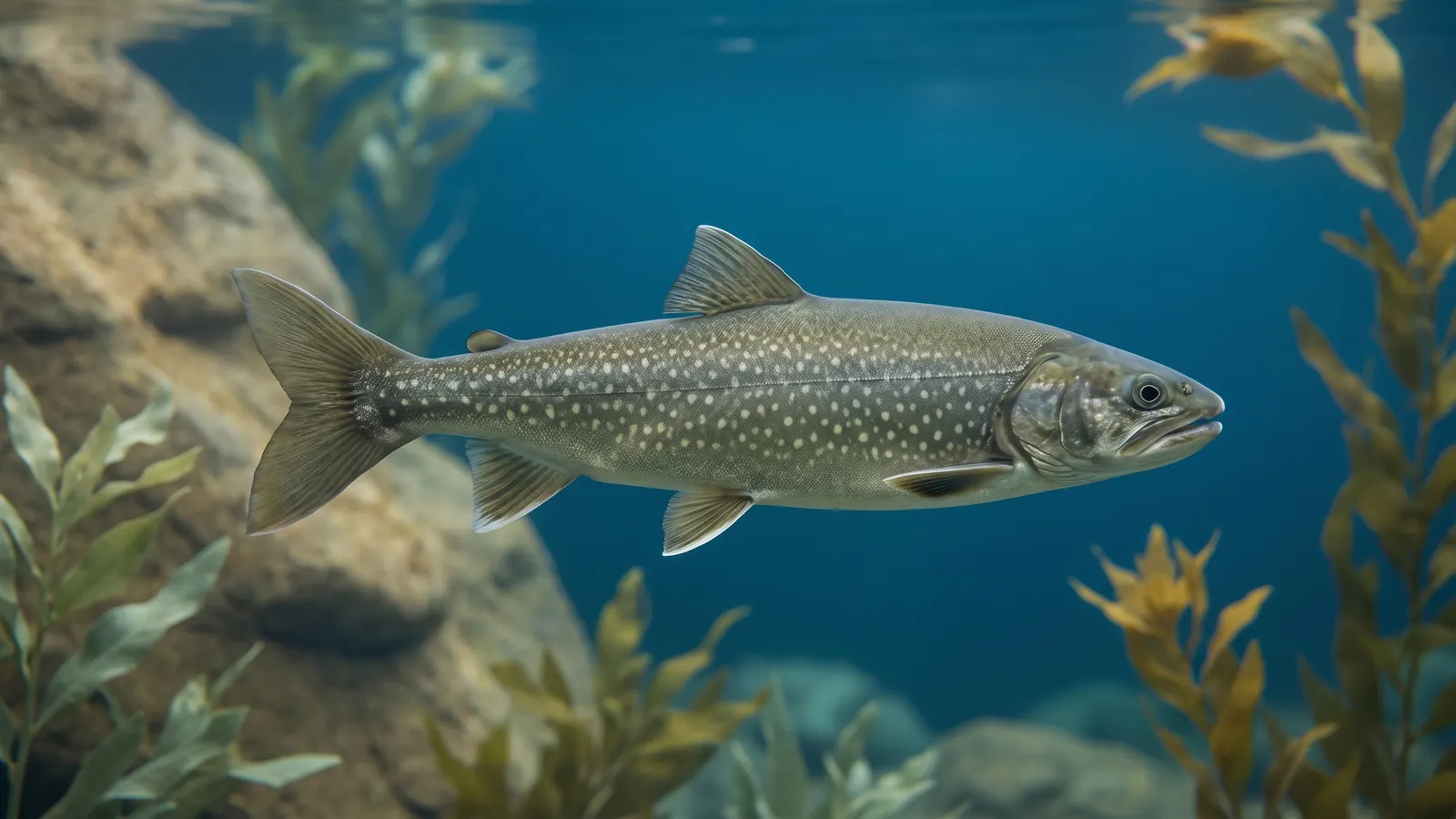
Bear Lake Monster Lake Trout: Deep Water Tactics for 30+ Pound Giants
Bear Lake's pristine waters stretch between Utah and Idaho, reaching depths over 200 feet and maintaining the cold temperatures that lake trout crave. This unique fishery regularly produces lake trout over 30 pounds, with the occasional 40+ pound monster making headlines.
Here's your complete guide to targeting these deep water giants.
Why Bear Lake Grows Monster Lake Trout
Depth: 200+ feet provides cold water refuge year-round Forage: Abundant cisco (Bear Lake's native minnow) and sculpin Space: 112 square miles gives fish room to grow Temperature: Cold water slows metabolism, extends lifespan Low pressure: Minimal fishing pressure on deep water macs
Understanding Lake Trout Behavior
Seasonal Patterns
Spring (April-June):
- Post-spawn recovery, fish scattered
- Best fishing in 60-120 feet
- Focus on structure and drop-offs
Summer (July-September):
- Deep water fishing, 80-200+ feet
- Follow thermocline and baitfish
- Early morning/late evening surface action
Fall (October-November):
- Pre-spawn movement to shallow structure
- Aggressive feeding period
- 40-100 feet over rocky areas
Winter (December-March):
- Slow, deep water fishing
- Fish hold in deepest areas
- Vertical jigging most effective
Prime Lake Trout Locations
1. The Pump (East Side)
Character: Steep drop-offs, deepest water Depths: 100-200+ feet Structure: Underwater cliffs, boulder fields Access: Boat launch at Cisco Beach
Why it produces:
- Deepest, coldest water
- Cisco spawning areas nearby
- Less fishing pressure
2. First Point Area
Character: Rocky points, gradual drops
Depths: 60-150 feet
Structure: Rocky ledges, underwater humps
Access: Multiple boat launches
Why it produces:
- Structure attracts baitfish
- Ambush points for feeding lake trout
- Good electronics readings
3. The Poles (North End)
Character: Deep water, structure breaks Depths: 80-180 feet Structure: Submerged points, drop-offs Access: Lifton boat launch
Why it produces:
- Transitional areas
- Current breaks from inflows
- Historic big fish area
4. Cisco Beach Area
Character: Gradual slopes to deep water Depths: 40-160 feet Structure: Sandy bottom transitions to rock Access: Cisco Beach boat launch
Why it produces:
- Cisco spawning grounds
- Easy deep water access
- Consistent fish populations
Deep Water Tactics
Downrigger Fishing
Best method: For covering deep water efficiently
Setup:
- Heavy downrigger balls (8-12 pounds)
- Long setbacks (50-100 feet)
- Multiple rod spread
Lures:
- Large spoons (4-6 inches)
- Deep diving plugs
- Cut bait rigs
Technique:
- Troll 1.5-2.5 mph
- Follow contour lines
- Watch electronics for bait and fish
Vertical Jigging
Best method: For precise depth control and active fish
Setup:
- Heavy jigging rods (7-8 foot)
- High-capacity reels
- 200+ yards of line
Lures:
- Heavy jigs (2-8 ounces)
- Large tube jigs
- Jigging spoons
Technique:
- Drop to bottom, work up
- Aggressive lift-drop motion
- Follow fish on electronics
Deep Water Trolling
Best method: For locating fish over large areas
Setup:
- Lead core line or wire line
- Large, deep-diving lures
- Multiple rod spread
Lures:
- Large swimbaits
- Deep diving crankbaits
- Flutter spoons
Technique:
- Vary speeds and depths
- Use GPS to mark productive areas
- Watch for suspended fish
Bait and Lure Selection
Top Producing Lures
Spoons:
- Krocodile spoons (4-6 inches)
- Kastmaster heavies
- Flutter spoons in silver/blue
Jigs:
- Hair jigs (4-8 inches)
- Tube jigs (6-8 inches)
- Bucktail jigs with trailers
Plugs:
- Large Rapalas (jointed)
- Deep diving crankbaits
- Swimbaits (6-10 inches)
Live and Cut Bait
Cisco (when available):
- Whole or cut for scent
- Best natural bait choice
- Check regulations for use
Sucker minnows:
- Large, 6-8 inch suckers
- Whole or cut presentations
- Good scent trail
Cut trout:
- Legal where regulations allow
- Strong scent attractant
- Use fresh when possible
Electronics and Navigation
Essential Equipment
Fish finder: High-quality unit with deep water capability GPS: Mark productive spots and structure Downrigger: For precise depth control Temperature gauge: Find thermocline
Reading Electronics
Fish marks: Large arches or thick marks Structure: Rocky drops, underwater points Baitfish: Clouds of small marks Thermocline: Temperature breaks where fish concentrate
Tackle and Equipment
Rod and Reel Setup
Trolling rods: 8-10 foot, heavy action Jigging rods: 7-8 foot, fast action Reels: High capacity, smooth drag Line: 200+ yards, 15-25 lb test
Boat Considerations
Size: 18+ feet recommended for safety Power: Adequate for deep water conditions Electronics: Quality fish finder essential Safety: Emergency equipment, radio
Seasonal Strategies
Spring Strategy (April-June)
Depths: 60-120 feet Tactics: Trolling and jigging Areas: Points and drop-offs Timing: All day productive
Summer Strategy (July-September)
Depths: 100-200+ feet Tactics: Downrigger trolling Areas: Deepest water Timing: Early morning, late evening
Fall Strategy (October-November)
Depths: 40-100 feet Tactics: Aggressive jigging Areas: Rocky structure Timing: Pre-spawn feeding frenzy
Winter Strategy (December-March)
Depths: 150-200+ feet Tactics: Slow vertical presentations Areas: Deep basins Timing: Midday often best
Safety and Regulations
Bear Lake Safety
Weather: Conditions change rapidly Communication: Cell coverage spotty Emergency plan: File float plan Equipment: Coast Guard approved safety gear
Current Regulations
Lake trout limit: Check current Utah/Idaho regulations Size restrictions: Varies by jurisdiction License: Valid for fishing waters Boat registration: Required in both states
Planning Your Trophy Trip
Best Times for Big Fish
Fall: Pre-spawn feeding period Spring: Post-spawn recovery Early season: Less pressure Weather: Stable high pressure
Guides and Services
Local guides: Experienced in deep water tactics Boat rentals: Available at marinas Tackle shops: Bear Lake area for local knowledge Lodging: Resorts and cabins available
The Bottom Line
Bear Lake offers Utah's best opportunity for truly giant lake trout:
- Proven genetics: 30-40+ pound fish documented
- Deep, cold water: Perfect lake trout habitat
- Abundant forage: Cisco and sculpin populations
- Low pressure: Most anglers focus on other species
- Year-round fishing: Ice-free conditions
Success requires specialized deep water techniques, quality electronics, and patience. But when you connect with one of Bear Lake's monsters, you'll understand why it's worth the effort.
Have you tangled with Bear Lake's lake trout? Share your deep water tactics and trophy stories in the comments.
Get free email updates
Get Utah stocking updates, trip-planning links and gear notes by email. Email signup is separate from paid SMS/voice plans, app subscriptions and the Fishing Playbook PDF.
Unsubscribe from email updates at any time. Read our website privacy policy.
Related Articles
 Illustration
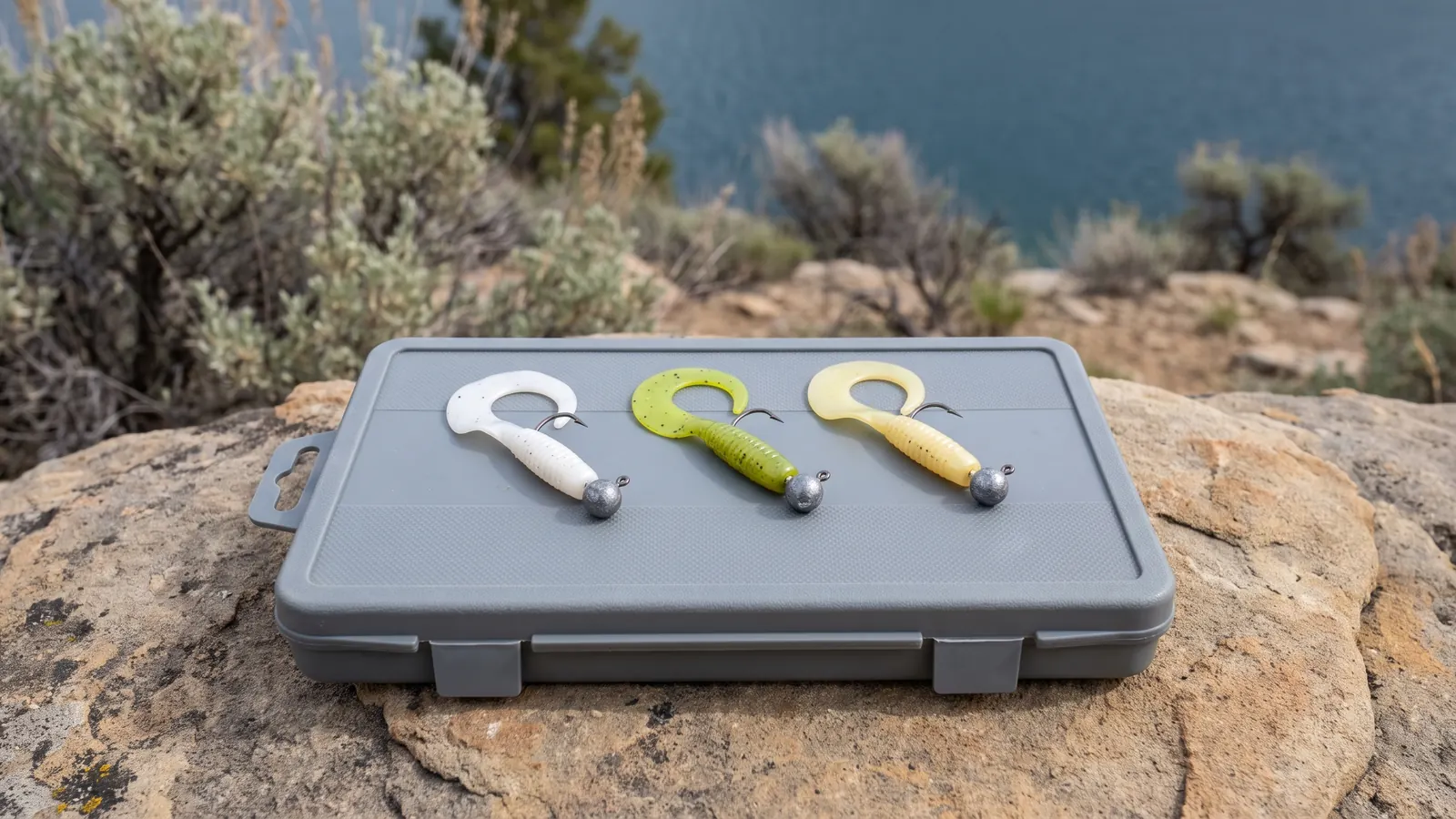
Utah Lake White Bass Run (2026): When, Where & No-Limit Rules
Nobody told you white bass season was on? Here is the simple Utah Lake shore playbook: bright curly tails, light bites, fast hooksets, and no boat required.
 Illustration
Utah Tiger Muskie Fishing: Complete Guide to Landing 40+ Inch Apex Predators
Utah's tiger muskie offer some of the West's most exciting freshwater fishing. Learn locations, techniques, and tactics for targeting these aggressive hybrids.
More Utah Fishing Updates
Browse more regulation changes, local reports, and seasonal how-to guides.
Back to all articles