5 New Conservation Projects Funded by the Utah Cutthroat Slam (2026): What Anglers Should Know
Utah DWR announced five new native-trout conservation projects funded by the Utah Cutthroat Slam. Here’s what the projects do, why they matter, and how anglers can help.
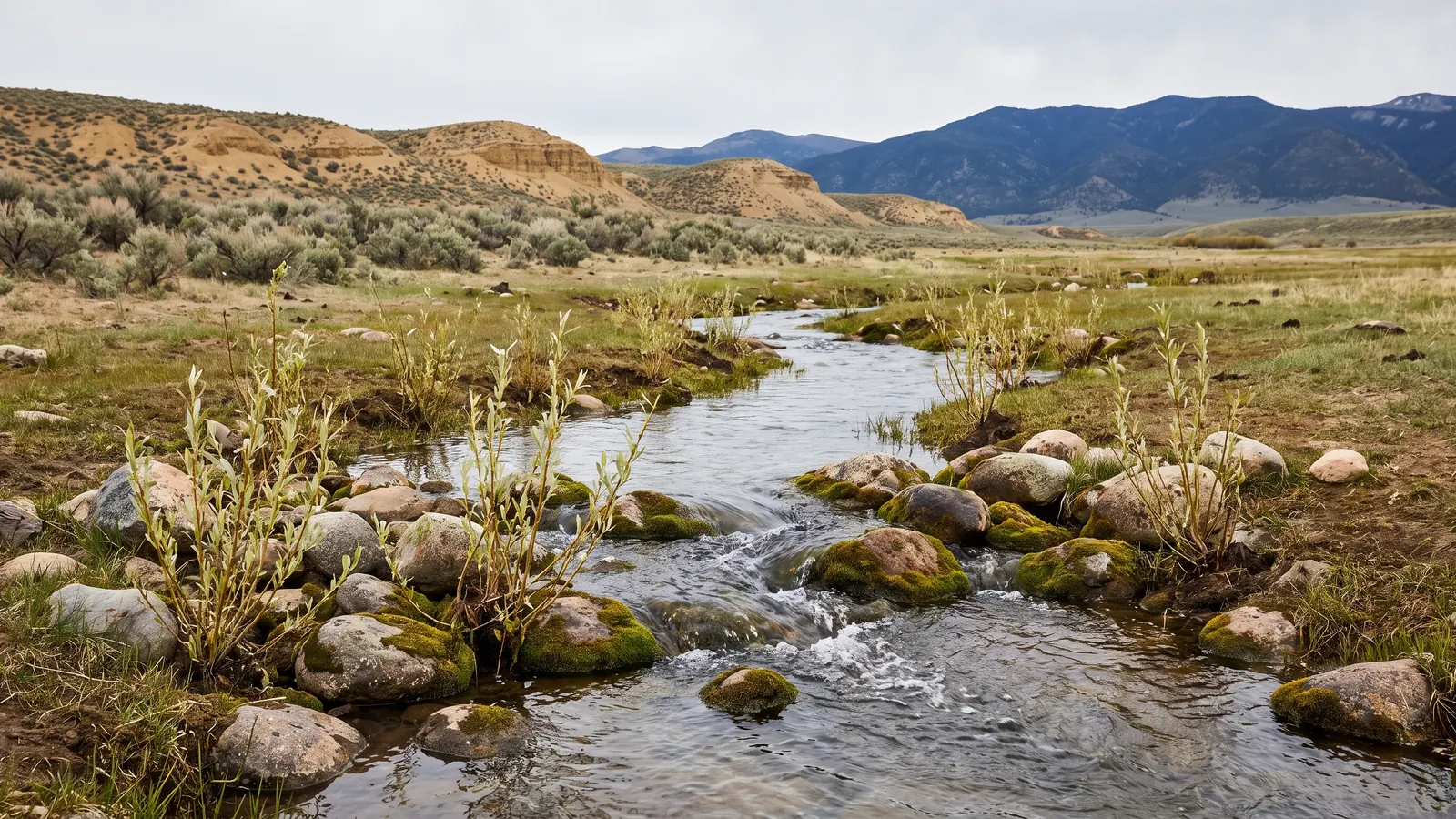
5 New Conservation Projects Funded by the Utah Cutthroat Slam (2026)
Utah’s Cutthroat Slam is more than a trophy checklist — it’s one of the simplest ways anglers can directly support native trout restoration.
In a 2026 update, Utah DWR highlighted five new conservation projects funded through the program. If you care about wild fish, healthier watersheds, and better long-term fishing, these kinds of projects are the “quiet wins” that add up.
This article is a summary for anglers. For the official details, read the DWR release linked below.
Quick refresher: what is the Utah Cutthroat Slam?
The Cutthroat Slam is a catch-and-release challenge focused on Utah’s native cutthroat trout. The idea is straightforward:
- You target (and document) the required cutthroat subspecies
- Your participation helps fund restoration work
- You get a built-in reason to explore new waters — with a conservation payoff
Official program site: https://www.utahcutthroatslam.org/
The 5 funded projects (high level)
Based on the DWR announcement, the new projects include work like:
- eDNA sampling to confirm native trout presence (and guide future restoration)
- Beaver relocation / habitat work to improve stream function and drought resilience
- Aquatic insect sampling tied to mine-tailings cleanup efforts (food-web health matters)
- Fish passage / trapping work on targeted creeks to support native populations
- Improved signage and angler education (small, but it reduces accidental harm)
These aren’t flashy — but they’re exactly the sort of groundwork that helps native fish persist.
Why anglers should care (even if you mostly fish stocked waters)
Stocked fisheries are awesome, but native-trout waters are a different kind of asset:
- They’re a signal of healthy headwaters
- They build resilience against drought, fire, and invasive species
- They preserve unique Utah lineages you can’t replace
And in many cases, protecting native waters also improves downstream conditions that benefit broader fisheries.
How you can help (simple)
- If you’re interested, consider doing the Cutthroat Slam this season
- Share the official project link with your fishing buddies (awareness matters)
- Practice best handling: barbless hooks, wet hands, minimal air exposure
Sources
- Utah DWR news release: 5 new conservation projects funded by Utah Cutthroat Slam to benefit native trout in Utah in 2026
- https://wildlife.utah.gov/news/utah-wildlife-news/2259-5-new-conservation-projects-funded-by-utah-cutthroat-slam-to-benefit-native-trout-in-utah-in-2026.html
- Utah Cutthroat Slam program site
- https://www.utahcutthroatslam.org/
Get free email updates
Get Utah stocking updates, trip-planning links and gear notes by email. Email signup is separate from paid SMS/voice plans, app subscriptions and the Fishing Playbook PDF.
Unsubscribe from email updates at any time. Read our website privacy policy.
Related Articles
 Illustration
Utah Cutthroat Slam Funds 5 New 2026 Projects for Native Cutthroat Trout (What Anglers Should Know)
Utah DWR says the Utah Cutthroat Slam program is funding five new 2026 conservation projects. Here’s what they are and why they matter for native trout (and fishing) long-term.
 Illustration
Bear Lake Cutthroat Win: North Eden Creek Reconnected (10+ Miles Opened for Spawning)
Utah DWR and partners replaced a culvert near the mouth of North Eden Creek with a bridge, reconnecting the creek to Bear Lake and opening more than 10 miles for native cutthroat spawning and rearing.
 Illustration
An Expert-Level Analysis of the Utah Lake Ecosystem: The Interconnected Challenges of Restoration
Utah Lake’s future depends on coordinated carp control, June sucker recovery, nutrient reduction, and basin-wide policy reforms that also safeguard the Great Salt Lake.
More Utah Fishing Updates
Browse more regulation changes, local reports, and seasonal how-to guides.
Back to all articles