High Uintas Brook Trout: Backpacking Guide to Utah's Alpine Gems
Discover pristine brook trout fishing in Utah's High Uintas Wilderness. Complete backpacking guide to remote alpine lakes and native char.
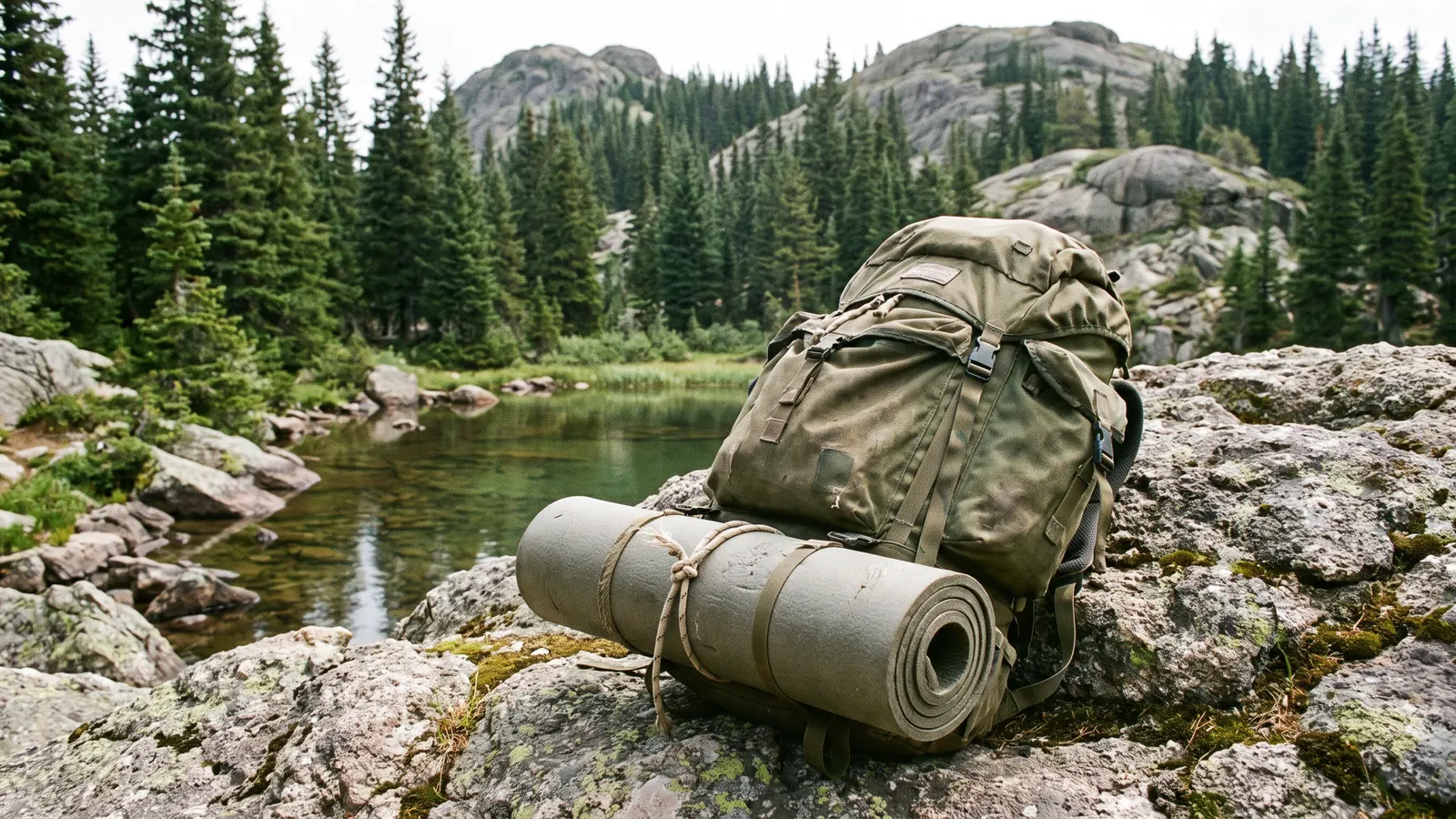
High Uintas Brook Trout: Backpacking Guide to Utah's Alpine Gems
The High Uintas Wilderness harbors some of Utah's most pristine brook trout fishing, with over 400 alpine lakes scattered across 460,000 acres of protected wilderness. These crystal-clear waters hold native and introduced brook trout that have rarely seen fishing pressure.
Here's your complete guide to accessing these remote alpine treasures.
Why the High Uintas Are Special
Wilderness Protection
No motors allowed: Pristine, quiet environment Limited access: Backpacking required for best fishing Minimal pressure: Many lakes see few anglers per season Habitat protection: Undisturbed spawning and feeding areas
Brook Trout Quality
Pure genetics: Some native Colorado River strain Pristine environment: Cold, clean alpine waters Natural reproduction: Self-sustaining populations Size potential: 12-16 inch brook trout possible Beauty: Brilliant colors in clear water
Scenic Beauty
Alpine setting: 10,000+ foot elevation fishing Mountain vistas: King's Peak, surrounding peaks Wildflower meadows: Summer alpine displays Wildlife: Moose, elk, mountain goats, marmots
Best Brook Trout Lakes
Tier 1: Premium Destinations
Naturalist Basin:
- Multiple connected lakes
- 8-mile hike from Mirror Lake Highway
- Excellent brook trout populations
- Base camp potential
Amethyst Basin:
- Stunning alpine cirque
- 6-mile approach
- Large brookies reported
- Limited camping
Kidney Lake:
- Classic alpine lake
- 4-mile moderate hike
- Consistent brook trout
- Good camping nearby
Scudder Lake:
- Remote location
- 8+ mile approach
- Excellent fishing reports
- Pristine environment
Tier 2: Quality Options
Wilder Lake:
- Accessible day hike option
- 3-mile approach
- Good brook trout numbers
- Family-friendly
Wall Lake:
- Dramatic cliff setting
- 5-mile hike
- Deep, clear water
- Large fish potential
Packard Lake:
- Less crowded alternative
- 6-mile approach
- Consistent action
- Good camping
Tier 3: Exploration Waters
Hundreds of unnamed lakes:
- Topographic map adventures
- Cross-country navigation required
- Potential virgin waters
- True wilderness experience
Access Points and Trailheads
North Slope Access
Mirror Lake Highway (UT-150):
- Multiple trailheads
- Shorter approaches to many lakes
- Better road access
- Popular but manageable
Key trailheads:
- Bald Mountain Pass
- Butterfly Lake
- China Meadows
- Crystal Lake
South Slope Access
Duchesne River Area:
- Longer approaches
- Less crowded
- More challenging access
- Wilderness experience
Uinta River Area:
- Remote access
- Multi-day commitment
- Exceptional fishing potential
- Advanced backpacking
Seasonal Timing
Ice-Out (June-July)
Best fishing: Hungry trout after ice-out Snow conditions: Trails may have snow patches Weather: Variable, be prepared Access: Some high elevation roads closed
Peak Summer (July-August)
Optimal conditions: Warmest weather, clear trails Fishing quality: Good but may slow in heat Crowding: Busiest period Camping: Prime conditions
Fall Fishing (September-October)
Excellent fishing: Pre-winter feeding Beautiful scenery: Fall colors Weather risks: Early snow possible Fewer crowds: Best wilderness experience
Essential Gear
Fishing Equipment
Rod selection: 3-4 weight, 7-8 feet Reel: Simple, reliable drag Line: Floating weight forward Leaders: 9-foot, 4-6X tippet Flies: Small patterns, match insects
Backpacking Gear
Shelter: 3-season tent or ultralight Sleeping system: Rated for mountain conditions Cooking: Lightweight stove and cookware Water: Filtration or purification Navigation: Map, compass, GPS
Clothing
Layering system: Base, insulating, shell layers Rain gear: Mountain weather changes quickly Sun protection: Hat, sunglasses, sunscreen Extra socks: Stream crossings likely Warm hat/gloves: Mountain nights are cold
Fishing Techniques
Fly Selection
Dry flies:
- Adams (#14-18)
- Elk Hair Caddis (#14-16)
- Royal Wulff (#12-16)
- Parachute patterns
Nymphs:
- Pheasant Tail (#14-18)
- Hare's Ear (#14-16)
- Prince Nymph (#12-16)
- Bead head patterns
Streamers:
- Woolly Bugger (#10-14)
- Muddler Minnow (#10-12)
- Small Zonkers
- Leech patterns
Presentation Strategies
Stealth approach: Clear water, spooky fish Long casts: Stay back from lake edges Varied retrieve: Dead drift, slow strips Depth changes: Fish different water columns Early/late fishing: Dawn and dusk best
Reading Alpine Lakes
Drop-offs: Fish cruise along edges Inlets/outlets: Concentration points Structure: Logs, rocks, vegetation Wind patterns: Follow food concentrations Temperature layers: Fish seek comfort zones
Navigation and Safety
Route Finding
Topographic maps: Essential for off-trail lakes GPS units: Backup navigation Compass skills: Basic wilderness navigation Trail markers: Many areas unmarked Weather awareness: Afternoon thunderstorms common
Wildlife Considerations
Bear safety: Proper food storage required Moose encounters: Give wide berth, especially bulls Mountain weather: Rapid changes possible High altitude: Acclimatization needed Stream crossings: Early season snowmelt dangerous
Emergency Preparedness
Communication: Satellite messenger recommended First aid: Wilderness medical kit Emergency shelter: Space blanket minimum Extra food: Plan for weather delays Evacuation plan: Know nearest road access
Regulations and Ethics
Wilderness Regulations
Group size limits: Usually 12 people maximum Camping restrictions: Some areas prohibited Fire regulations: Check current fire restrictions Waste disposal: Pack out all trash Stock use: Horse/llama regulations if applicable
Fishing Regulations
License required: Valid Utah fishing license Bag limits: Check current regulations by water Bait restrictions: Many waters artificial only Special regulations: Some lakes have specific rules Native species: Practice conservation ethics
Leave No Trace
Camp on durable surfaces: Established sites preferred Dispose of waste properly: Human waste 6+ inches deep Leave what you find: No collecting specimens Minimize campfire impacts: Use established rings Respect wildlife: Observe from distance
Planning Your Trip
Physical Preparation
Fitness level: Mountain hiking with pack Altitude training: If coming from sea level Gear testing: Test all equipment beforehand Route planning: Study maps and trail reports Weather monitoring: Check forecasts carefully
Permits and Reservations
Wilderness permits: May be required for overnight Campground reservations: If staying at trailheads Group permits: For large parties Special area closures: Check for temporary restrictions
Resupply Considerations
Water sources: Natural sources need treatment Food planning: High-energy, lightweight meals Fuel requirements: Calculate stove fuel needs Emergency food: Extra day's worth minimum Equipment backup: Critical item redundancy
Advanced Strategies
Multi-Lake Circuits
Basin hopping: Fish multiple connected lakes Cross-country routes: Access virgin waters Base camp fishing: Day trips from established camp Through-hiking: Linear routes between trailheads
Seasonal Specialization
Ice-out timing: Target newly opened lakes Insect emergence: Match seasonal hatches Fall feeding: Pre-winter gorging behavior Weather windows: Maximize good conditions
Photography and Documentation
Fishing photography: Document catches and scenery Route documentation: GPS tracks for future trips Condition reports: Share information ethically Conservation awareness: Highlight fragile ecosystems
The Bottom Line
High Uintas brook trout fishing offers:
- Wilderness experience: True backcountry adventure
- Pristine fisheries: Rarely fished alpine lakes
- Native species: Pure genetic strains
- Scenic beauty: Spectacular mountain environment
- Personal challenge: Physical and angling skills
Success requires preparation, wilderness skills, and respect for fragile alpine ecosystems. The reward is some of Utah's finest brook trout fishing in one of America's most beautiful wilderness areas.
Have you explored High Uintas brook trout fishing? Share your favorite lakes and wilderness tips in the comments.
Get free email updates
Get Utah stocking updates, trip-planning links and gear notes by email. Email signup is separate from paid SMS/voice plans, app subscriptions and the Fishing Playbook PDF.
Unsubscribe from email updates at any time. Read our website privacy policy.
Related Articles
 Illustration
Southern Utah Fishing Report: Sand Hollow, Quail Creek, Gunlock, Kolob & More
A water-by-water southern Utah fishing report for August 11, 2026, covering access, levels, recent DWR stocking records, hazards, and the best starting strategy at five destinations.
 Illustration
Silver Lake Utah Fishing: Current Conditions, Trout & What Anglers Should Know
A source-checked Silver Lake Brighton report for August 11, 2026, with recent rainbow stocking, high-elevation access notes, trout tactics, and a warning about the separate Silver Lake Flat Reservoir.
 Illustration
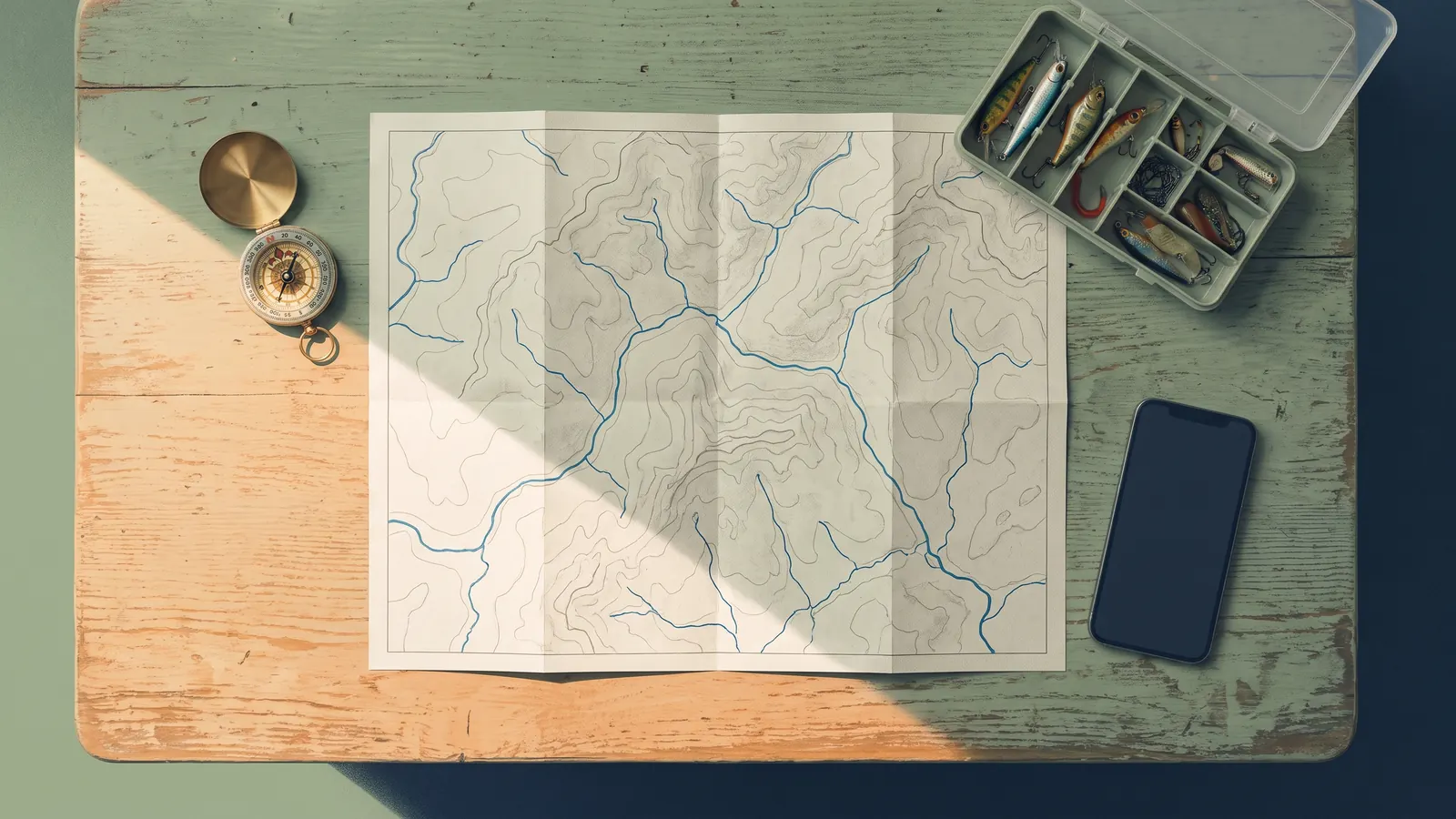
Bookmark These 3 Utah DWR Fishing Tools Before Your Next Trip (Map + Community Ponds + Stocking Database)
If you want faster “where should I go?” decisions, these three official Utah DWR tools are the highest-ROI bookmarks: the Fish Utah map, the community fisheries list, and the fish stocking database.
More Utah Fishing Updates
Browse more regulation changes, local reports, and seasonal how-to guides.
Back to all articles