Green River Below Flaming Gorge (2026): Best Flow Windows & Tactics
The legendary Green River tailwater can be tricky to time. Here's your complete guide to flow windows, sections, and tactics that actually work.
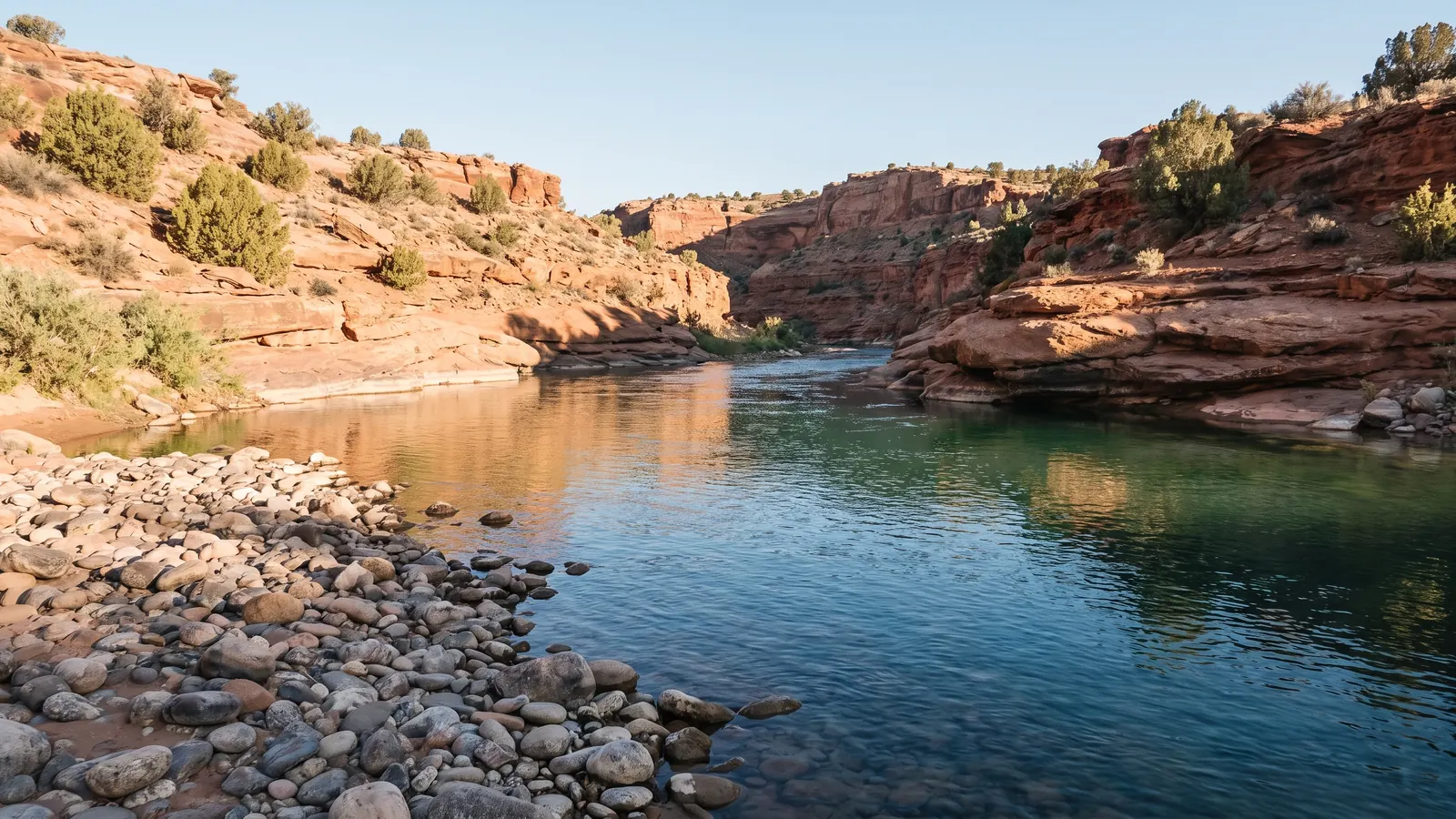
Green River Below Flaming Gorge (2026): Best Flow Windows & Tactics
The Green River below Flaming Gorge Dam represents Utah's premier tailwater trout fishery. This 7-mile stretch of crystal-clear water holds massive browns, aggressive rainbows, and the occasional massive lake trout that dropped down from the reservoir.
But here's the thing: timing is everything. Get it wrong, and you'll struggle in unfishable conditions. Get it right, and you'll experience some of the West's finest trout fishing.
Understanding Flaming Gorge Dam Releases
The key to success: Bureau of Reclamation controls everything through dam releases for power generation and downstream commitments.
Flow Windows That Work:
Optimal Range: 800-1,500 CFS
- Perfect wading conditions
- Fish actively feeding
- Clear water visibility
- Manageable current speeds
Fishable Range: 1,500-2,500 CFS
- More challenging but productive
- Focus on slower water and eddies
- Larger flies and heavier rigs needed
- Experienced anglers only in faster sections
Avoid: Over 3,000 CFS
- Dangerous wading conditions
- Muddy water from reservoir mixing
- Fish pushed into unfishable lies
- Waste of time and potentially dangerous
Reading the Release Schedule
Where to check: Bureau of Reclamation website Key pattern: Releases typically follow power demand
- Peak demand: Weekday afternoons (higher flows)
- Low demand: Nights and weekends (lower flows)
- Seasonal pattern: Higher releases in summer for downstream irrigation
Pro Tip:
Plan trips for early morning starts when flows are typically lowest from overnight power reductions.
Section-by-Section Breakdown
A Section (Dam to Little Hole)
Distance: 1.5 miles Character: Deep runs, large pools, technical pocket water
Best flows: 800-1,200 CFS Target fish: Large browns and rainbows Access: Spillway boat launch, Little Hole boat launch
Key spots:
- The Toilet Bowl: Deep eddy immediately below dam
- Pipeline Pool: 200 yards below dam on river right
- The Convergence: Where releases meet tailrace
Tactics:
- Deep nymphing with heavy tungsten
- Large streamers for browns
- Small midges in winter months
B Section (Little Hole to Indian Crossing)
Distance: 2 miles
Character: Wide pools, riffle-run sequences, easiest wading
Best flows: 800-1,800 CFS Target fish: Consistent rainbows, some browns Access: Little Hole, Taylor Flat, Indian Crossing
Key spots:
- Grasshopper Island: Excellent dry fly water
- Taylor Flat Riffle: Prime nymph water
- Indian Crossing Pool: Deep water holds big fish
Tactics:
- Dry-dropper rigs in summer
- Nymph rigs year-round
- Best section for beginners
C Section (Indian Crossing to Swallow Canyon)
Distance: 3.5 miles Character: Remote, dramatic canyon walls, large pools
Best flows: 800-1,500 CFS (harder to fish at higher flows) Target fish: Large browns, some massive lake trout Access: Requires hiking or floating from upstream
Key spots:
- Swallow Canyon Pool: Massive deep pool
- Red Canyon Rapids: Technical pocket water
- Hideout Pool: Protected water with large fish
Tactics:
- Streamers for trophy browns
- Deep nymphing in pools
- Skating caddis in summer evenings
Seasonal Patterns
Spring (March-May)
Best flows: 1,000-2,000 CFS Patterns: BWO hatches, early stones Focus: Midday fishing as water warms Hot flies: Pheasant tails, BWO patterns
Summer (June-August)
Best flows: 800-1,500 CFS (harder to find) Patterns: PMD, caddis, terrestrials Focus: Early morning, late evening Hot flies: Hoppers, ants, caddis
Fall (September-November)
Best flows: 800-1,200 CFS (most consistent) Patterns: BWO, midges, brown trout spawn Focus: All-day fishing possible Hot flies: Streamers, BWO, egg patterns
Winter (December-February)
Best flows: 800-1,200 CFS Patterns: Midges, minimal surface activity Focus: Midday fishing, deep water Hot flies: Zebra midges, San Juan worms
Advanced Tactics
Reading Water at Different Flows
800-1,200 CFS: Fish standard runs and pools 1,200-1,800 CFS: Focus on eddies and current breaks 1,800+ CFS: Target protected water behind boulders
Fly Selection by Flow
Low flows (800-1,200 CFS):
- Size 18-22 flies
- Natural presentations
- Long, light leaders
Medium flows (1,200-1,800 CFS):
- Size 14-18 flies
- Heavier nymphs
- Shorter, stronger leaders
High flows (1,800+ CFS):
- Size 10-14 flies
- Heavy tungsten beads
- Short, heavy leaders
Safety Considerations
Wading Safety
- Never wade above 2,500 CFS
- Use wading staff above 1,500 CFS
- Wear proper waders: Felt or studded soles essential
Flow Changes
- Sudden releases: Can trap anglers
- Check hourly: Conditions change rapidly
- Escape routes: Always have plan to reach shore
Weather Factors
- Wind: Canyon creates venturi effects
- Ice: Winter formations can be dangerous
- Flash floods: Rare but possible from tributaries
Planning Your Trip
Best Times to Visit
September-October: Most consistent flows, fewer crowds March-April: Great hatches, variable weather June-July: Excellent fishing but higher flows
What to Bring
- Multiple rods: 4-6 weight for versatility
- Variety of flies: Match conditions to fly selection
- Quality waders: Essential for safety and comfort
- Net and tools: Barbless hooks recommended
Local Resources
Fly shops:
- Flaming Gorge Lodge (Dutch John)
- Trout Creek Flies (Dutch John)
Guides: Worth it for first-timers to learn water Lodging: Dutch John, Manila, or camping at firefighters
The Bottom Line
The Green River below Flaming Gorge is world-class trout fishing when conditions align. Key to success:
- Monitor flows religiously
- Time your visit for optimal windows
- Match tactics to flow conditions
- Prioritize safety over fishing
- Be flexible with your approach
When everything comes together—optimal flows, good weather, and the right tactics—you'll understand why this tailwater has such a legendary reputation.
What's been your experience with Green River flows? Share your best tactics for different flow conditions in the comments.
Get free email updates
Get Utah stocking updates, trip-planning links and gear notes by email. Email signup is separate from paid SMS/voice plans, app subscriptions and the Fishing Playbook PDF.
Unsubscribe from email updates at any time. Read our website privacy policy.
Related Articles
 Illustration
Southern Utah Fishing Report: Sand Hollow, Quail Creek, Gunlock, Kolob & More
A water-by-water southern Utah fishing report for August 11, 2026, covering access, levels, recent DWR stocking records, hazards, and the best starting strategy at five destinations.
 Illustration
Silver Lake Utah Fishing: Current Conditions, Trout & What Anglers Should Know
A source-checked Silver Lake Brighton report for August 11, 2026, with recent rainbow stocking, high-elevation access notes, trout tactics, and a warning about the separate Silver Lake Flat Reservoir.
 Illustration
Bookmark These 3 Utah DWR Fishing Tools Before Your Next Trip (Map + Community Ponds + Stocking Database)
If you want faster “where should I go?” decisions, these three official Utah DWR tools are the highest-ROI bookmarks: the Fish Utah map, the community fisheries list, and the fish stocking database.
More Utah Fishing Updates
Browse more regulation changes, local reports, and seasonal how-to guides.
Back to all articles